Warnings about artificial intelligence posing an existential risk have appeared widely in news coverage, according to New Scientist. The publication reports that there is very little evidence supporting those warnings, while the supplied material does not identify a specific incident, system, study, or measure of risk.
THE QUESTIONS THIS EVENT LEAVES BEHIND
What evidence would be needed to distinguish an existential risk from a speculative warning?
Who benefits from presenting AI risks as imminent or severe?
Which risks receive less attention when existential claims dominate coverage?
How might public policy change if the available evidence remains limited?
These questions are not separate threads. IAQ follows the connections between them, looking for the hidden mechanisms that can make different questions emerge from the same event.
Wildflowers have spread across arid, ochre-colored land in Western Australia following winter rains, according to NASA. The agency described the scene as carpets of blooms covering parts of the desert landscape, but the supplied information does not specify the extent of the area or the plant species involved.
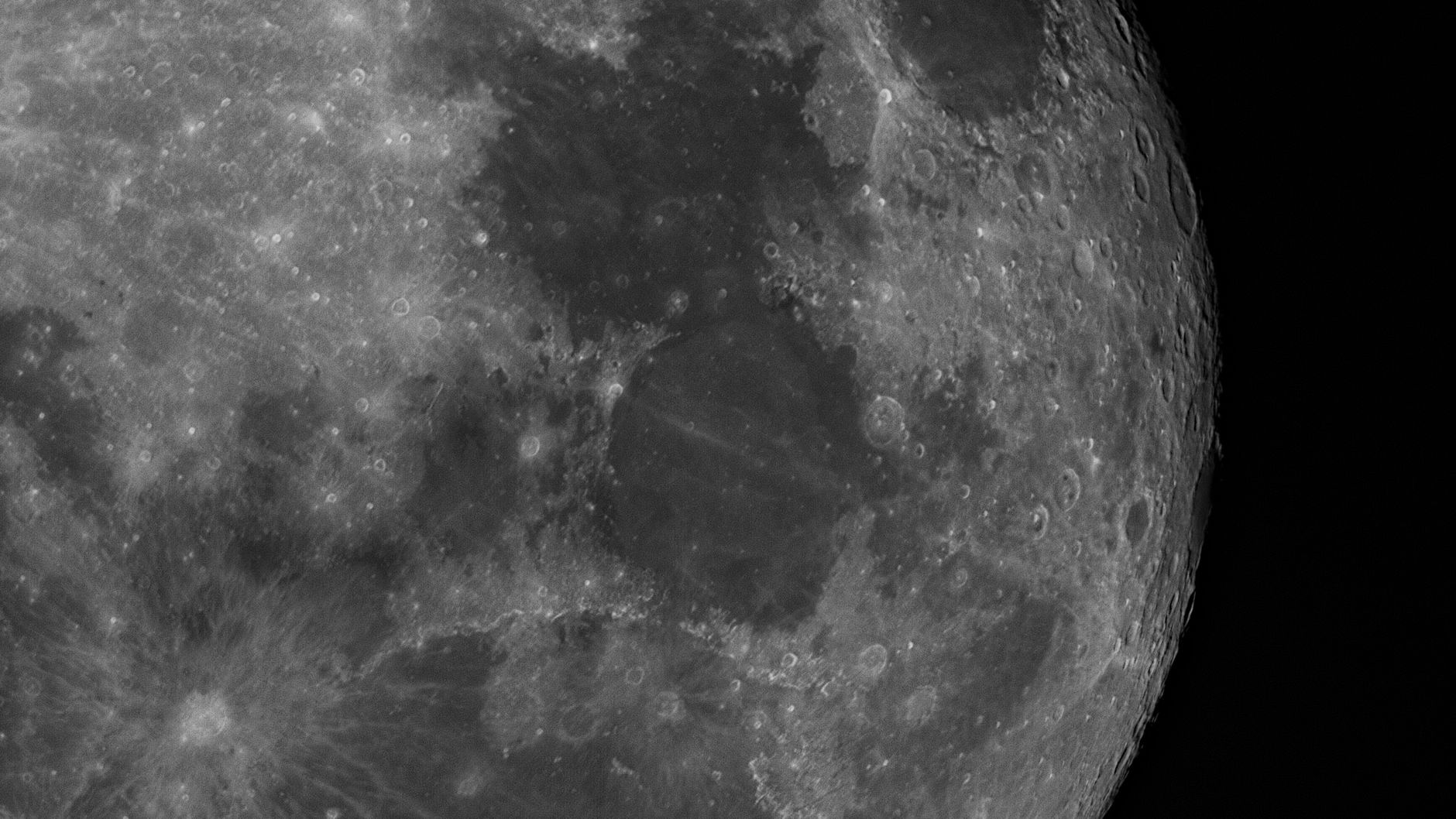
NASA’s Astronomy Picture of the Day entry for September 23, 2026, features a subject identified as the McGetchin crater on the Moon. The APOD program presents a different image or photograph of the universe each day, accompanied by an explanation written by a professional astronomer.
The European collaborative project Blue Transition has completed four years of research into adapting water and soil resources to climate change. Led by the LIAG Institute for Applied Geophysics in Hanover, its final report draws on findings from 16 pilot regions across six countries and identifies land-use change, improved soil health and diversified water management as key resilience measures.
An ambitious monitoring plan aims to provide warning of a possible failure of the Atlantic Meridional Overturning Circulation, or AMOC, a vital ocean current. The source says its collapse could bring exceptionally harsh winters and persistent drought to Europe, but the timing and severity of such a disaster remain uncertain.
An artificial swimmer made from quantum light moved upstream in a quantum stream of light, according to New Scientist. The report says the result appeared to break the reciprocal action-and-reaction principle associated with Newton’s third law, though the supplied account does not provide details about the swimmer’s design, speed, or experimental setting.
Henley Spiers won the top award in the annual Bird Photographer of the Year competition for a photograph featuring a gannet dive. Images of guillemots, penguins and a protective tawny frogmouth were also among those in contention for the prize, according to New Scientist.
NASA’s Perseverance rover used its Mastcam-Z camera to capture a natural-color, 360-degree panorama of “Turquoise Bay,” a geologic area of interest in Mars’ “Margin Unit.” The panorama combines 818 images taken between Oct. 5 and Oct. 16, 2023, during the mission’s 933rd through 944th Martian days.
NASA launched its State Hubs for Skilled Technical Workforce initiative on Sept. 15, 2026, bringing awardees and agency leaders together at Space Center Houston. The meeting focused on coordinating strategy, strengthening partnerships, engaging small businesses and identifying next steps for the nationwide effort to prepare workers for future space-related roles.
Albania signed the Artemis Accords during a ceremony hosted by NASA at the agency’s headquarters in Washington on Monday. NASA said the agreement makes Albania the 73rd signatory to the accords, a coalition of nations committed to the responsible and transparent exploration of space.
NASA describes the equinox as a recurring astronomical event that can mark changing expectations for daylight, nighttime and weather depending on location. The agency also notes that observing and predicting equinoxes was among humanity’s earliest astronomical practices, with ancient observatories studying equinoxes alongside the more pronounced solstices.
Denmark and its Scandinavian neighbors are often placed near the top of international lists covering happiness, corruption and family life. The supplied report examines how having a baby in Denmark compares with having one in the United Kingdom, but the available source excerpt does not provide details of the differences.
Customers may appreciate a store manager’s help while considering purchases such as dishwashers, tablets or lawn mowers, according to the supplied source. The report contrasts that customer response with sales workers’ possible frustration over micromanagement, indicating that managerial involvement can be useful in some buying situations but should not become excessive.
NASA’s Curiosity rover team planned activities for sols 5010 through 5015 during two planning days in the week described by the mission’s APXS Strategic Planner and Payload Uplink/Downlink Lead. The schedule included Tuesday and Friday planning sessions, while Monday was a Labor Day holiday in North America, where many team members are based.
School vacations can bring more arguments among children, according to Phys.org. The source attributes the disputes to longer days spent together, less structure and increased sharing of toys, screens, space and parental attention, leaving children to ask parents to referee their conflicts.
Scientists at Oregon State University have patented a water-based process for separating zirconium and hafnium. The researchers describe the method as more environmentally friendly and five times more efficient, with potential relevance to producing the metals in pure forms for semiconductor and atomic energy applications.
Forest loss in Brazil’s Amazon fell 23.5% in 2025 from the previous year, according to the supplied source. The decline contributed to a 21% reduction in Brazil’s overall clear-cutting, which reached its lowest recorded level since 2016, although the source says maintaining protection remains a challenge.
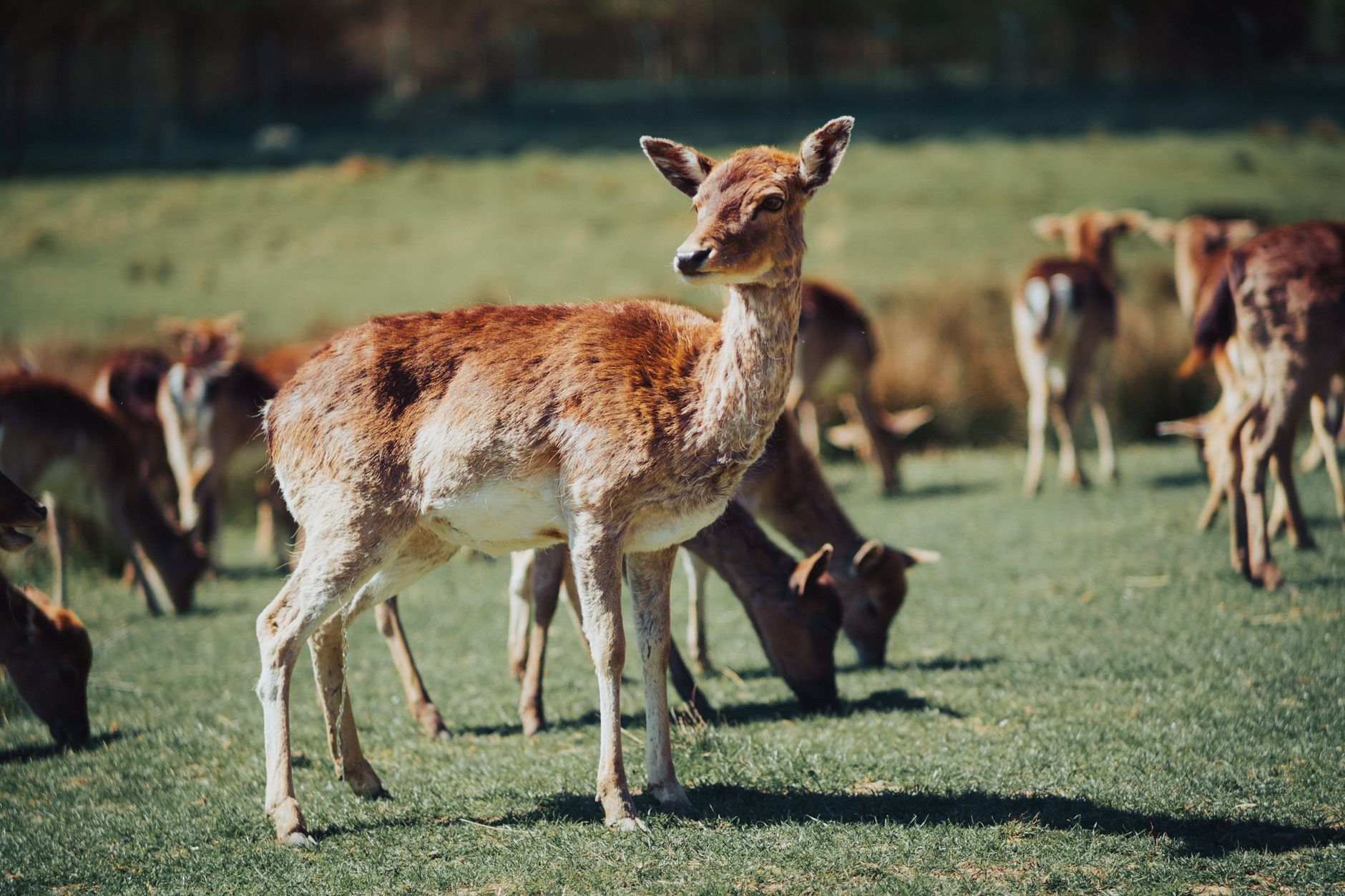
A study measured grazing by wild ungulates, including axis deer, mouflon sheep, goats and pigs, on Hawaiʻi rangelands. It found forage losses at two-thirds of surveyed sites, with axis deer identified as the clearest driver of decline across ranches on Hawaiʻi Island and Maui.
Ph.D. candidate Natalia Seliutina is investigating why pounamu is among Earth’s toughest natural materials. Her work has taken her from Siberian temperatures to carving studios in Ōtepoti and particle accelerators in Taiwan, and a paper on the research has been published in the New Zealand Journal of Geology and Geophysics.
A synthetic biology technology converts messenger RNA into a ring-shaped form inside microbial cells, according to Phys.org. The approach is designed to address mRNA’s easy degradation and increased protein production by as much as six times, though the supplied report does not provide details on the organisms, testing conditions, or potential applications.
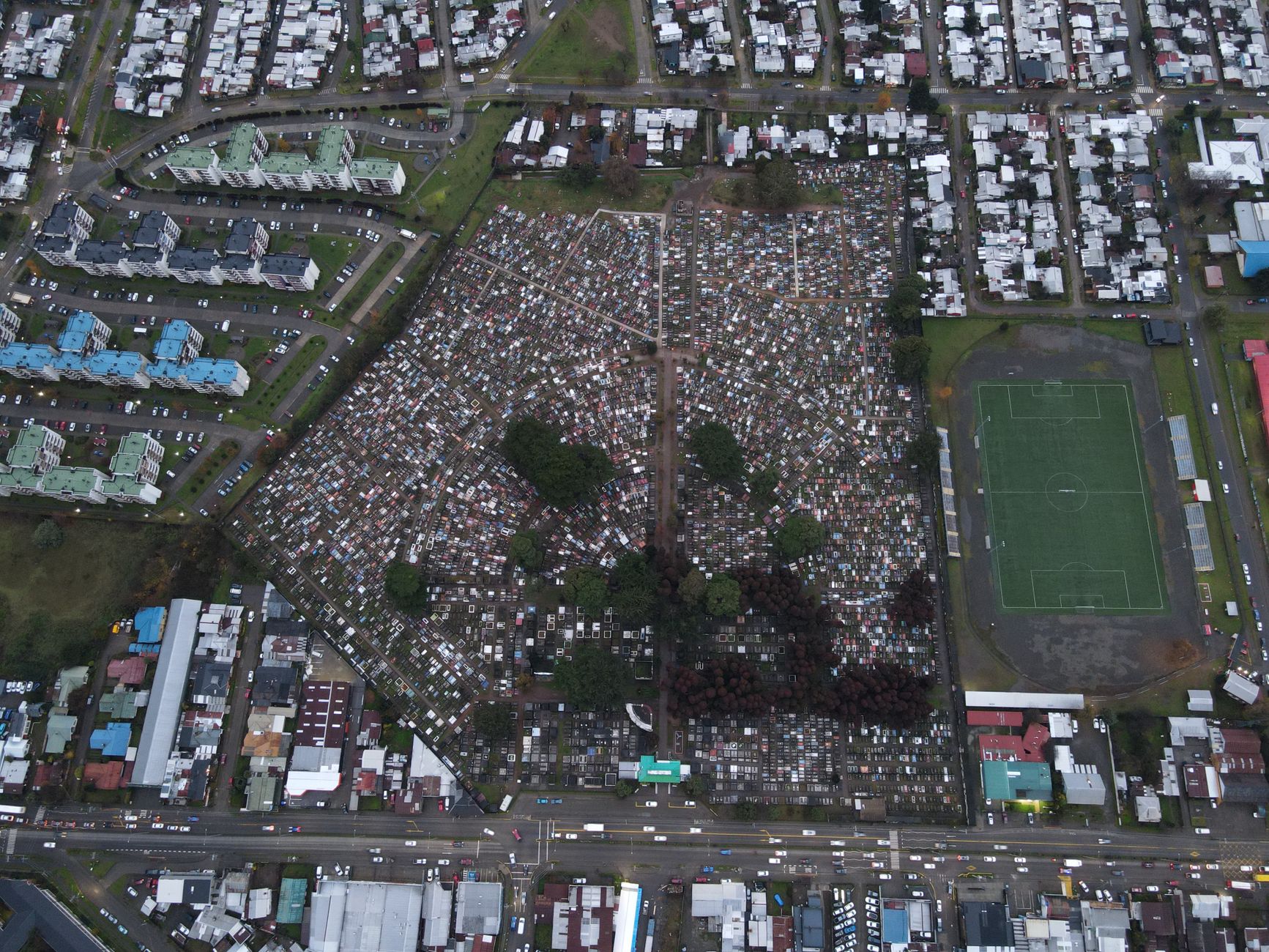
A study of Valdivia, Chile, examines urban segregation through historical, social and ecological contexts. It focuses on three periods and issues: colonization, the 1960 earthquake and current efforts to protect urban wetlands, offering an integrated perspective on inequality in the Global South, where this approach has received limited attention.
An IIASA-led study examines how incorporating fairness into climate models affects the distribution and pace of emissions reductions. The research finds that equity-focused pathways can inform discussions about which countries cut emissions fastest and which provide support while retaining the overall climate goal.
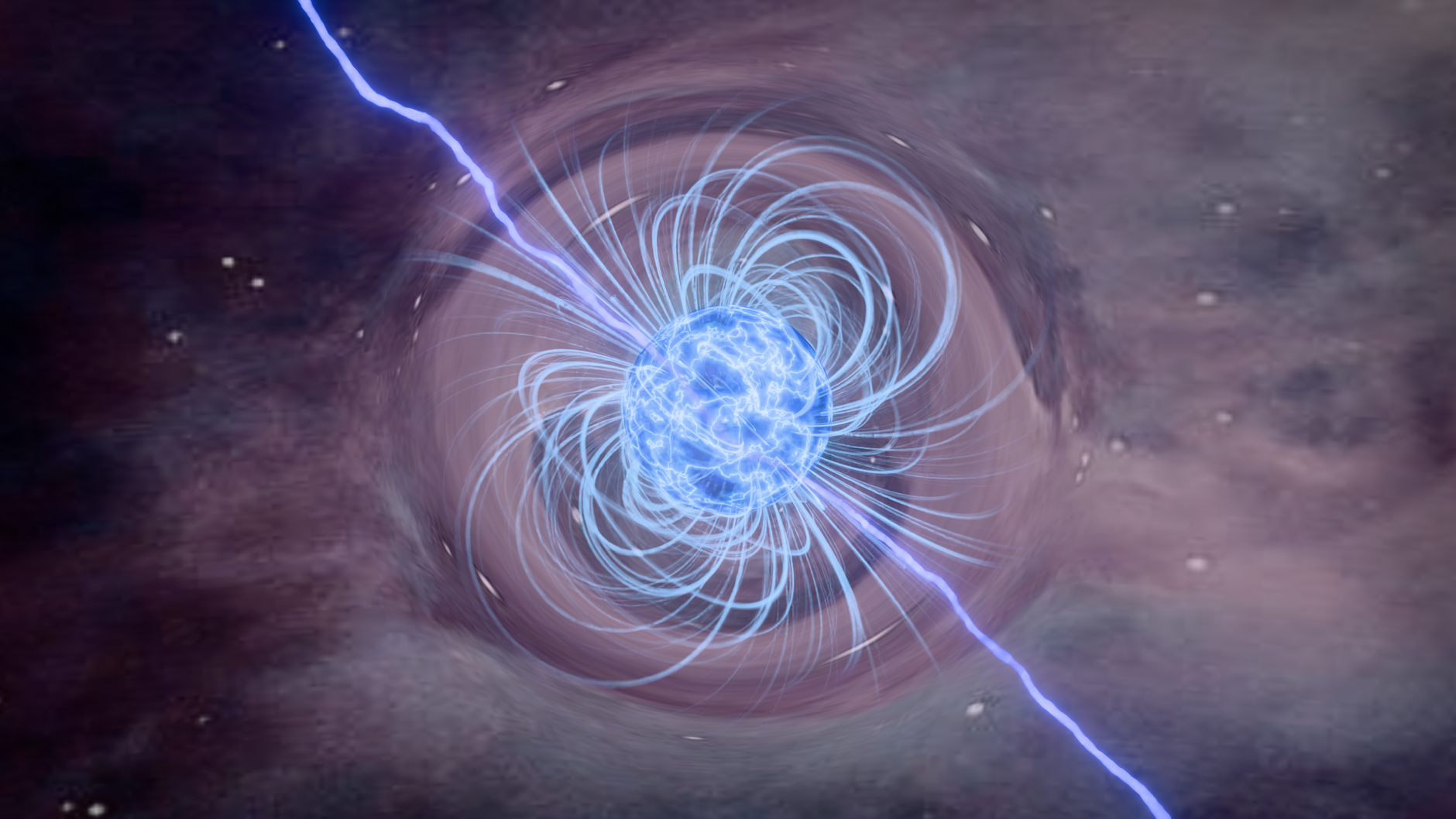
Joint observations from China’s Einstein Probe satellite and the Large High Altitude Air Shower Observatory identified an approximately 42-light-year X-ray tail near a pulsar about 4,600 light-years from Earth. The tail extends in the same direction as ultrahigh-energy gamma-ray emission detected by LHAASO, showing a close spatial match.
Experts cited by Phys.org say signs point toward a potentially record-breaking El Niño this year. The climate pattern may cause severe drought in Asia and other extreme weather around the world, with possible consequences for food security affecting millions of people and potentially contributing to higher global food prices.
Researchers reported an iron-based molecular complex that uses light to break down nitrate, a stable form of nitrogen associated with harmful algal blooms and some groundwater contamination. The supplied report describes nitrate as both an important nutrient that has supported civilization and an environmental pollutant, but provides no further experimental details.
A strengthening El Niño weather pattern has tied for the highest intensity recorded on a widely used measure, according to a senior scientist who spoke to AFP on Monday. The pattern’s influence is already being felt across regions from Central America to Indonesia, although the source does not specify the metric or describe the reported effects.
Commentators have put widely varying probabilities on the possibility that machines could wipe out humanity, ranging from zero to more than 95 percent. New Scientist columnist Jacob Aron argues that such figures should not be accepted without examining how they were produced and what assumptions underpin them.
Photonic integrated circuits use optical signals to route information, but silicon and silicon nitride cannot efficiently handle every task required by fully integrated optical systems. The reported research focuses on a heterogeneous platform that could interface different optical materials, addressing an ongoing challenge in photonic integration for academia and industry.
New research from RMIT University suggests that people may continue buying ultra-fast fashion despite understanding its environmental harms. The study’s summary says price and convenience can outweigh sustainability concerns, indicating that awareness alone may not change shopping decisions.
Getting locally grown food onto school lunch trays requires supply chains that can sort, process and package products from local farms, according to Phys.org. The report says those systems do not always exist, creating a logistical barrier between local agricultural production and school meals.
Residents of informal settlements in Mumbai face barriers to obtaining government-provided water connections, according to a report published by Phys.org. The settlements house millions of people, and the report examines how administrative assistance and advocacy can help communities access clean drinking water and other essential services.
A study led by Dr. Jun-Yan Sek is investigating whether xylometazoline hydrochloride, an ingredient used in a nasal spray for humans, could have an application during surgery on dogs. Sek is a small-animal surgical registrar at JCUVet, a lecturer at James Cook University and a James Cook University veterinary alumnus.
New Australian research reports an association between risky parental gambling and poorer physical health, mental health and educational outcomes among children. The findings frame gambling harm as an issue affecting child health and family well-being, although the supplied report does not provide details about the study methods or the size of the association.
MIT researchers have developed a noninvasive method for detecting biomarkers associated with cellular senescence, a state in which cells stop dividing without dying. The approach uses Raman microscopy to examine cells’ biochemical composition without harming them and could support research into diseases linked to senescence, including cancer, tissue degeneration and inflammatory diseases.
New Zealanders selected the critically endangered black robin as their Bird of the Year after a record number of people voted this month. The poll was distinct from national elections and focused on choosing a bird species, according to Phys.org.
NASA’s Astronomy Picture of the Day entry for September 21, 2026, features a wide-field view of the Cocoon Nebula. The APOD program publishes a different image or photograph of the universe each day, accompanied by a brief explanation written by a professional astronomer.
Researchers report evidence that two families of small GTPases communicate in plant cells through a molecular connection involved in pollen development. Small GTPases act as molecular switches that regulate processes including intracellular transport and cell morphogenesis, but how such pathway crosstalk occurs in plants had remained largely unknown.
Researchers report that intense light can temporarily reshape graphene’s electronic band structure, changing the energy states available to its electrons. The work examines how using two colors of light may steer electrons through a transient topological state, suggesting a way to produce electronic behavior that does not occur when the material remains undisturbed.
Natural springs in South Africa serve as freshwater sources and sites of healing, spiritual cleansing and ritual. Communities collect and use water from some springs while maintaining longstanding cultural connections with the environment. The supplied report says samples tested from these sacred springs contained tiny pieces of plastic, raising concerns about the purity of water used in cultural practices.
A study led by the Barcelona Institute for Global Health identifies a molecular mechanism that allows the malaria parasite to respond to changes in its host’s environment. The research reports that the parasite increases production of sexual forms capable of transmission to mosquitoes under stress conditions, addressing a longstanding question in malaria research.
A report argues that British food in the 18th century was more complex, multicultural and flavorful than its enduring reputation suggests. The account contrasts that history with modern mockery of dishes including jellied eels, overcooked vegetables, roast beef and pudding, which are often portrayed as uninspired compared with other cuisines.
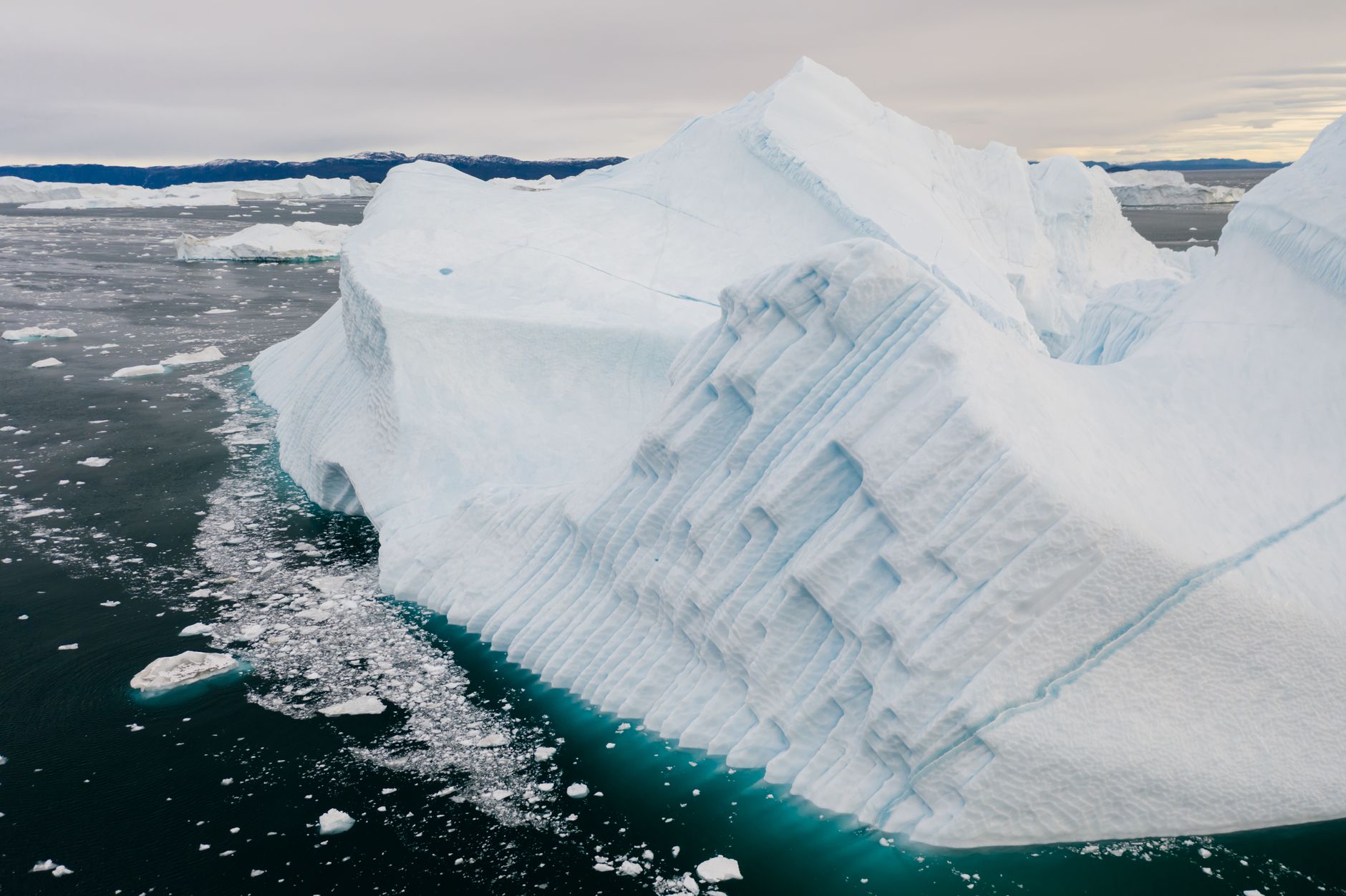
A scientific report estimates that glaciers in Greenland and Antarctica lost about 12.5 trillion tons of ice between 1979 and 2026. The report says the amount is equivalent to enough frozen water to cover the continental United States with ice 5 feet deep, based on satellite observations.
A longitudinal survey examined whether social technologies, including digital tools used to communicate and share content online, predict life satisfaction among adults. The supplied report says it found little evidence for such a relationship, while noting that the effects of these technologies on well-being and life satisfaction remain widely debated.
NASA’s Astronomy Picture of the Day for September 18, 2026, features Messier 33, also known as the Triangulum Galaxy. The daily feature presents an image or photograph from the universe with a brief explanation written by a professional astronomer, according to NASA’s description of the APOD program.
A new image from the NASA/ESA Hubble Space Telescope shows NGC 4698, a spiral galaxy about 55 million light-years away in the constellation Virgo. Although the galaxy appears serene, NASA says it contains a chaotic secret and is one of more than 1,000 galaxies in the Virgo Cluster.
UC Berkeley engineers and managers observed the COSI detector assembly being slowly raised from a table in an image dated July 8, 2026. The assembly is part of NASA’s Compton Spectrometer and Imager, and its detector box includes silver covers over flex circuits that carry signals to readout electronics.
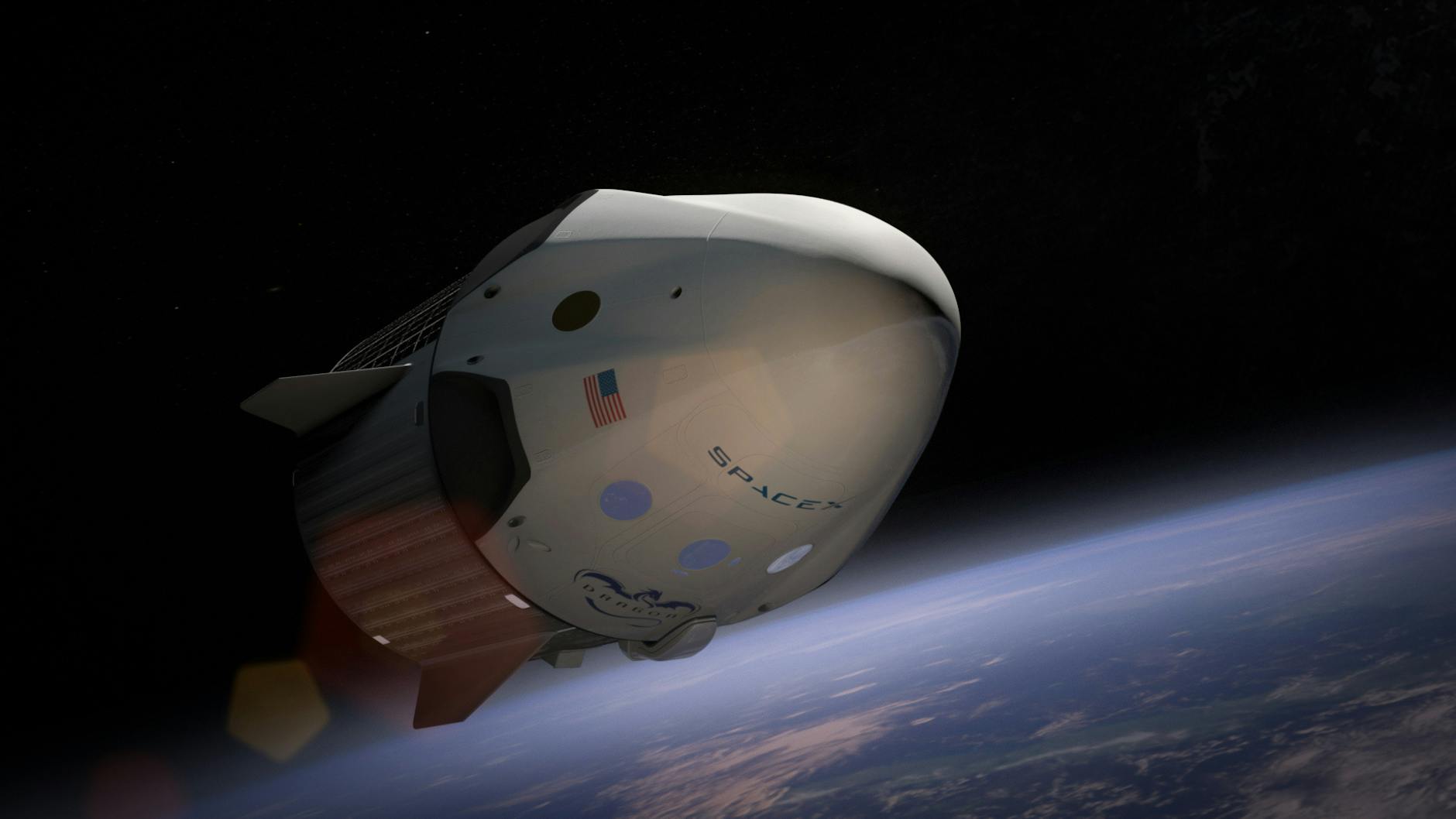
NASA has awarded SpaceX three additional crew missions to support regular transportation to the International Space Station. The awards were made through a modification to the existing contract, according to NASA. The supplied announcement does not provide mission launch dates, crew details or contract value.
Astronomers using data from the Japan-led XRISM X-ray observatory directly observed a giant star’s stellar wind being captured by a compact companion. The process supplied the power for strong X-ray flares, according to NASA, in research focused on understanding extreme objects and events in the universe.
Albania is scheduled to sign the Artemis Accords during a ceremony at NASA Headquarters in Washington at noon EDT on Monday, Sept. 21. The signing would make Albania the 73rd country to join the accords, with NASA Deputy Administrator Matt Anderson set to host Albania’s Minister for Europe and Foreign Affairs Ferit Hoxha and its ambassador to the United States.
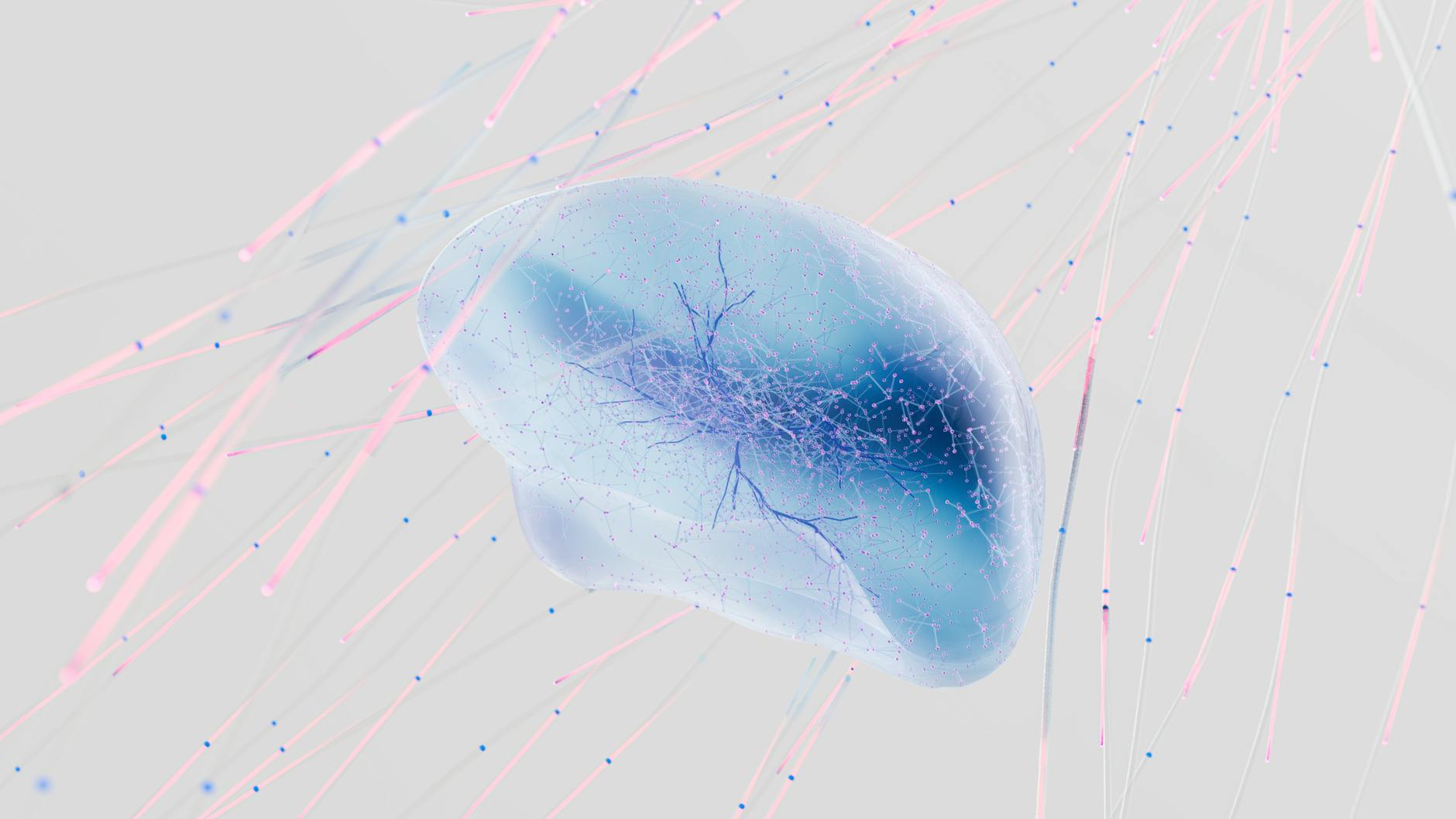
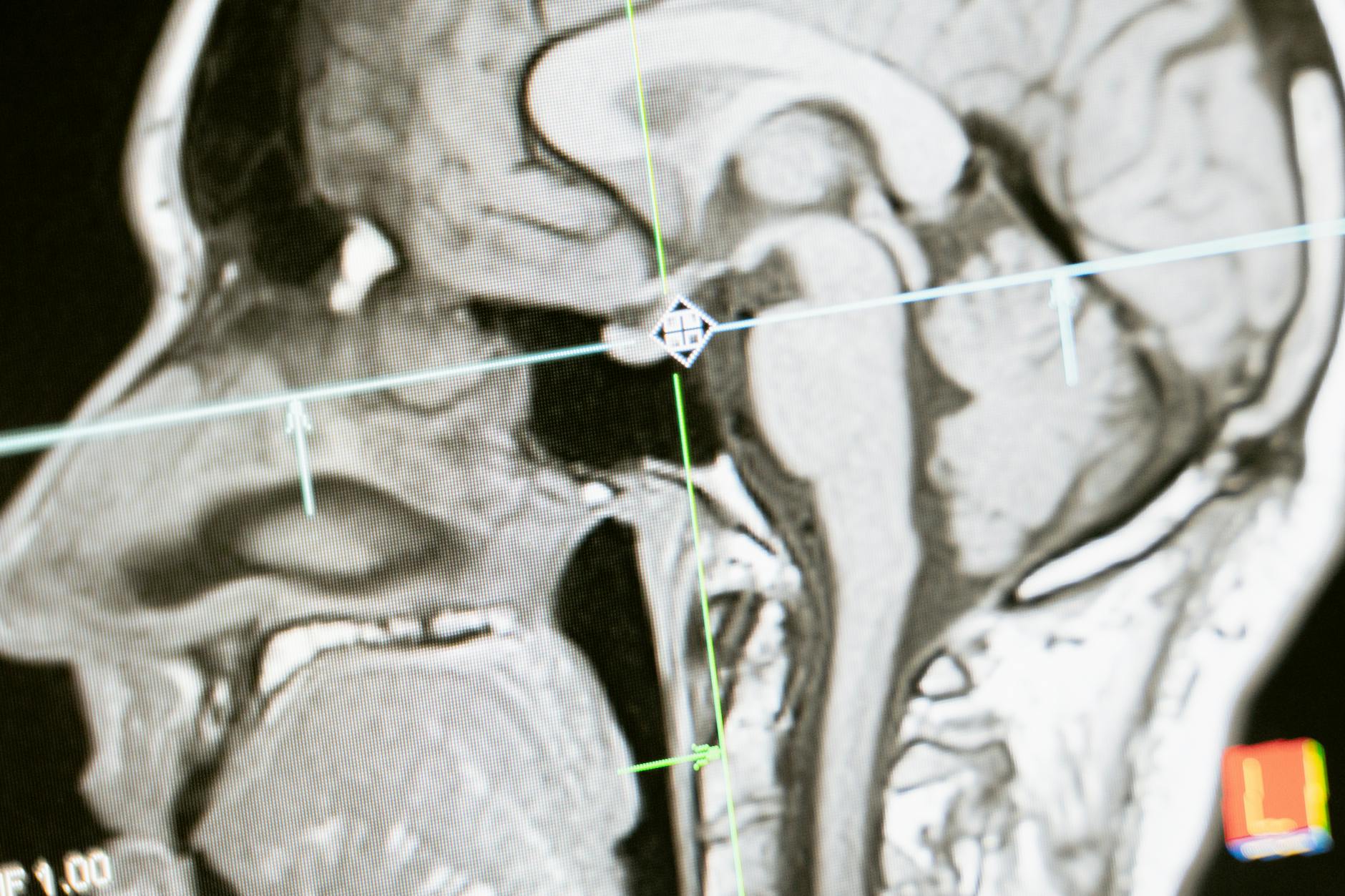
Research reported by New Scientist suggests that the front and back parts of the human brain arise from different progenitor cells during embryonic development. The finding supports the possibility that these regions evolved as separate nervous-system entities before later becoming integrated, although the supplied report does not provide further details about the study or its methods.
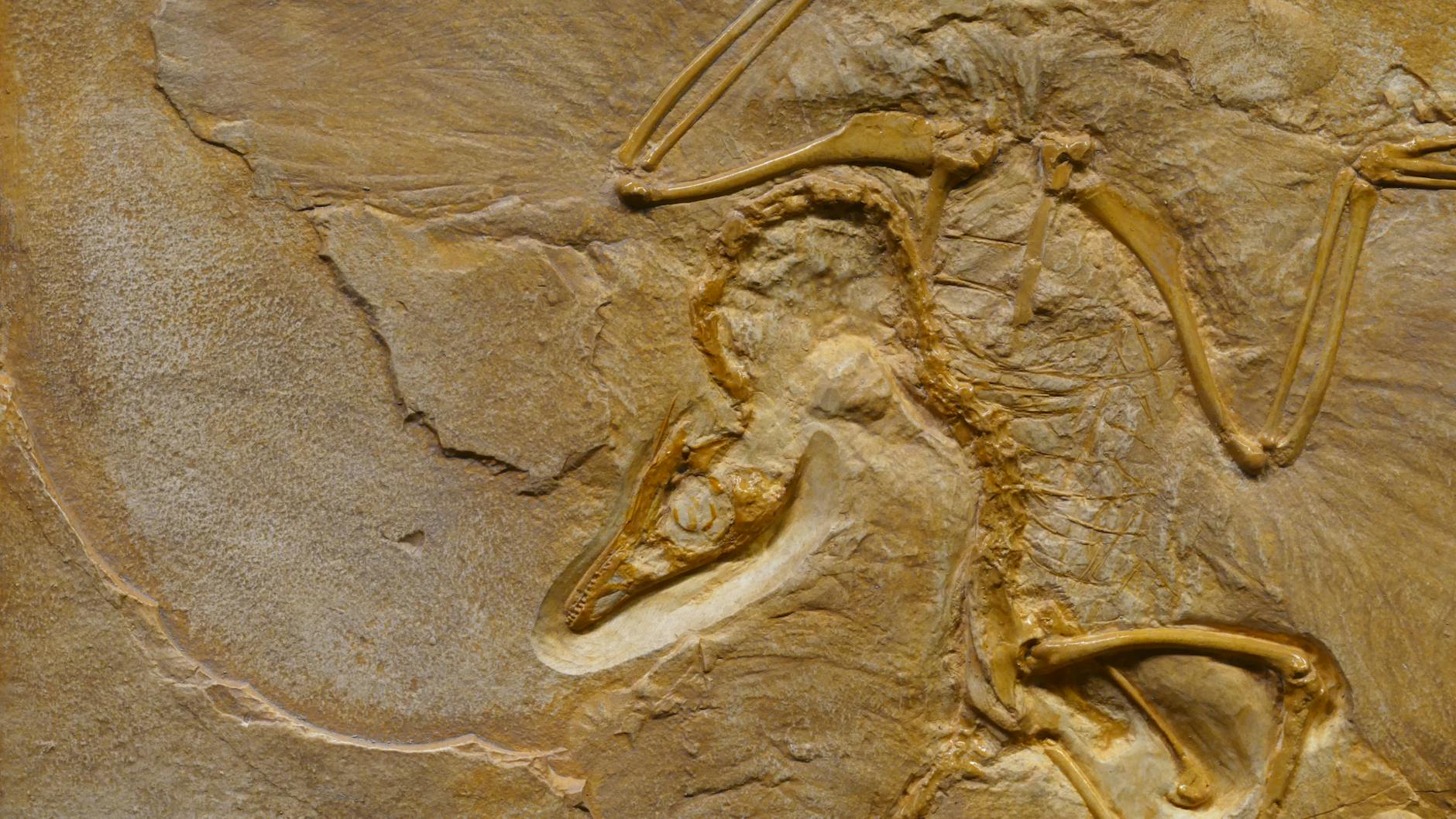
A fossil of a fish that preceded the first four-legged land animals suggests these early vertebrates had more varied body forms than previously thought. The specimen includes an elbow joint that moved in an unusually restrictive way, adding evidence that early limb structures developed in different configurations.
Researchers are developing multiple models to explain a possible recent detection of a dark matter particle. The signal remains described as possible, and the available source does not identify the experiment, location, particle properties or evidence behind the detection claim.
SpaceX’s next Starship test flight is planned as the vehicle’s first orbital mission, according to New Scientist. The flight is also expected to deploy working Starlink V3 satellites, which would make it the first Starship mission described as commercially useful. The source does not provide a launch date or further mission details.
The Nullarbor Plain spans more than 200,000 square kilometers across southern Australia and is one of the world’s largest limestone regions. The limestone formed after an ancient shallow sea retreated about 14 million years ago, creating a geological setting that includes deep caves and may help researchers study environments relevant to alien worlds.
A dynamic ice sheet modeling workflow is being released for Australia’s climate model, according to Phys.org. The work focuses on Antarctica and Greenland, the two ice sheets currently on Earth, whose changes can influence weather, climate, society and the environment beyond their immediate regions.
Scientists are simulating cosmic impacts to examine whether icy moons orbiting Saturn, Uranus and Neptune could gain or lose conditions that support life. The moons are believed to contain liquid-water oceans beneath thick ice shells, making those hidden environments potential targets in the search for life beyond Earth.
Scientists mapped a protein network involved in how red blood cells adapt to low oxygen, according to Phys.org. The report describes the network as hidden and links it to rapid adjustment by the cells, but the supplied information does not identify the researchers, methods, location, or specific proteins involved.
Research published in JCI Insights reports that loss of the Y chromosome in men’s body tissue may create a genetic environment associated with cancer development. The chromosome loss is common as men age, and the study describes the resulting “preneoplastic field effect” as a hidden vulnerability in otherwise normal tissue.
A study examined how errors in simulated sea surface temperatures affect climate-model representations of the North Pacific jet stream. The research is part of broader efforts to understand why present-day climate simulations differ from observations and how those differences may influence projections of future climate change.
NASA unveiled its first space shuttle orbiter, OV-101, to the public on Sept. 17, 1976, during the United States’ bicentennial year. The agency had planned to call the vehicle Constitution, but a letter-writing campaign involving nearly 100,000 Star Trek fans urged the White House to support another name.
NASA has opened media accreditation for SpaceX’s 35th commercial resupply mission to the International Space Station. The mission will use a Falcon 9 rocket to carry NASA science investigations, supplies, and equipment to the orbital laboratory, with NASA and SpaceX targeting a launch no earlier than October.
NASA has selected SpaceX to provide launch services for StarBurst, a small satellite mission designed to investigate neutron star mergers and the origins of short gamma-ray bursts. The satellite is scheduled to fly as part of a Bandwagon rideshare mission aboard a Falcon 9 rocket from Space Launch Complex 40 at Cape Canaveral Space Force Station in Florida.
NASA’s Astronomy Picture of the Day for September 19, 2026, features “A Zodiacal Night.” The daily APOD feature presents a different image or photograph of the universe with a brief explanation written by a professional astronomer. The supplied listing identifies the item as a night-sky entry and links to NASA’s APOD page.
The Korea Institute of Civil Engineering and Building Technology said it will apply its early detection technology to Korea’s Urban Flood Forecasting Platform. The system, operated by the Han River Flood Control Office, is intended to support urban flood forecasting by identifying quasi-stationary linear rainbands and sudden localized torrential rainfall.
Plug-in solar panels can reduce household electricity bills and help increase renewable energy on Great Britain’s grid, according to the supplied report. However, safety concerns remain despite their legalisation in the UK, leaving unresolved questions about how risks are managed as the technology becomes more available.
The tilcayo has been identified as a new species among South America’s enigmatic tiger cats, according to New Scientist. The finding brings the known number of tiger cat species to five and marks the naming of a cat species described as the first in a century, although the supplied report does not provide further details about the research or its location.
The Ukrainian Navy used an uncrewed vessel earlier this month to attack and sink an uncrewed naval robot operated by Russian forces, according to New Scientist. The report describes the incident as the first naval engagement between uncrewed sea vessels, though no further operational details are provided in the supplied account.
A new image from the NASA/ESA Hubble Space Telescope shows NGC 4698, a spiral galaxy located about 55 million light-years away in the constellation Virgo. The galaxy is part of the Virgo Cluster, which contains more than a thousand galaxies bound together by gravity, although the supplied report does not detail the source of its apparent chaos.
Researchers from the ARC Center of Excellence for Carbon Science and Innovation are investigating a molecular-scale filter designed to separate caffeine from coffee rather than only remove coffee grounds. The graphene oxide membrane removed about half the caffeine in reported testing while retaining key coffee compounds, according to the supplied source.
Researcher Arthur Jinyue Guo found that people’s behavior is affected by background sounds that often go unnoticed, including ventilation hums and electrical buzzes. Guo is affiliated with the RITMO Centre for Interdisciplinary Research on Rhythm, Time and Motion, according to Phys.org.
Korean researchers developed a method that uses cellulose from hemp hurd, an agricultural byproduct, to strengthen biodegradable plastics. The approach could also be applicable to other large-volume agricultural residues, including soybean stalks and rice straw, according to the supplied report.
A University of Chicago Booth School of Business study examines tariffs as a mechanism for redistributing wealth, rather than only as a trade-policy tool. The research, reported by Phys.org, focuses on who may benefit from tariffs, although the supplied account does not provide findings about specific groups or economic outcomes.
Two studies published in Science describe an RNA-guided system that originated in viruses and appears to predate CRISPR. The findings add to evidence that gene-editing-related systems existed in microbes long before scientists adapted CRISPR, which bacteria and other microbes use as a natural defense against invading viruses.
A 13-year record from researchers at Hokkaido University documents changes at Greenland’s Qaanaaq Ice Cap from 2012 through 2025. The team returned each summer to the ice cap in northwestern Greenland, using aluminum poles drilled into the ice to measure changes in its surface.
A routine data-quality check led NASA scientist Robert Wagner to notice an unusually large bright spot surrounded by a dark halo on a map of the Moon. The feature appeared to indicate that surface material in the area had been disturbed, prompting attention to a possible newly formed crater observed by the Lunar Reconnaissance Orbiter.
Seasonal changes redistribute enough water around Earth to move the planet’s center of mass by fractions of an inch relative to its geometric center, according to NASA. Scientists are tracking these oscillations because the center of mass serves as a reference point for satellite navigation and elevation measurements.
NASA marked the full restoration of its Guam Remote Station with a ribbon-cutting on Sept. 10, concluding more than three years of recovery after Super Typhoon Mawar damaged the site in 2023. Engineers from across the agency completed the rebuild’s final and most complex step on July 1, when they returned the station to service.
The longest satellite record compiled to date indicates that most ice loss from Greenland and Antarctica is linked to glaciers flowing faster, rather than to warmer air temperatures melting ice at the surface. The finding provides a clearer account of how the two ice sheets have been losing mass.
The amount of dust in Earth’s atmosphere has fallen, according to the supplied source. The decline may benefit human lungs by reducing airborne dust, but it also means ecosystems receive less wind-borne nutrients that depend on atmospheric transport.
The EU Packaging Regulation has been in effect since Aug. 12, 2026, and will restrict some single-use plastic food and toiletry packaging in the food service industry from January 2030. The measure covers examples such as ketchup packets and individually wrapped soap bars, increasing pressure on hotels, restaurants and catering businesses to act.
Fossil plankton shells are being used to examine nitrogen fixation in warmer oceans about 3 million years ago, according to a Phys.org report. Nitrogen supports plankton growth and the marine food web, while nitrogen fixation and denitrification are identified as opposing processes that shape the global nitrogen cycle.
Switzerland’s glaciers reached Glacier Loss Day on June 29, 2026, when snow accumulated during the previous winter had melted. The date marks the start of further glacier mass loss until snow accumulation resumes in the fall. Matthias Huss of Switzerland’s GLAMOS monitoring network said the date was three months earlier than a healthy state.
Research stemming from KAIST’s 2011 discovery of graphene oxide liquid crystals has supported 15 years of work on graphene fibers. The fibers combine high strength with thermal conductivity, while related materials research has already contributed to antibacterial toothbrushes and functional sportswear and is now moving toward thermal-management applications.
Norway’s first fully automated vegetable-production facility began operating last fall, according to Phys.org. The facility grows and packages lettuce, and its first products reached store shelves this spring. The supplied report does not identify the facility’s location, operator, production volume, or the specific retailers that stocked the lettuce.
A survey from the Annenberg Public Policy Center at the University of Pennsylvania found that nearly two-thirds of Americans say climate change is increasing the risk of respiratory diseases and heat- and insect-related illnesses. The finding was reported during what the source describes as the hottest summer on record.
Grass-and-clover leys are established in Swedish agriculture but are less common in regions where cereal production dominates. A report says one factor limiting their use is the need for a market for the harvested material, indicating that adoption depends partly on how the crops can be used or sold.
The European Parliament, European Commission and Council of the European Union signed a joint declaration on June 18, 2026, in Brussels, according to Phys.org. The declaration made culture a strategic priority for the first time, amid discussion of cultural activities and their place in public health policy.
A report says that brief periods of movement, including walking or stretching for a couple of minutes each hour, can improve memory and attention span. The supplied source does not provide details about the study design, participants, duration of the intervention, or the size of the reported effects.
A new study examining Atlantic menhaden found that an important estimate of deaths from natural causes was substantially overstated. The finding suggests the fish population may be less able to sustain fishing pressure than some assessments indicate, with implications for a commercial fishery along the U.S. East Coast and species that rely on menhaden as prey.
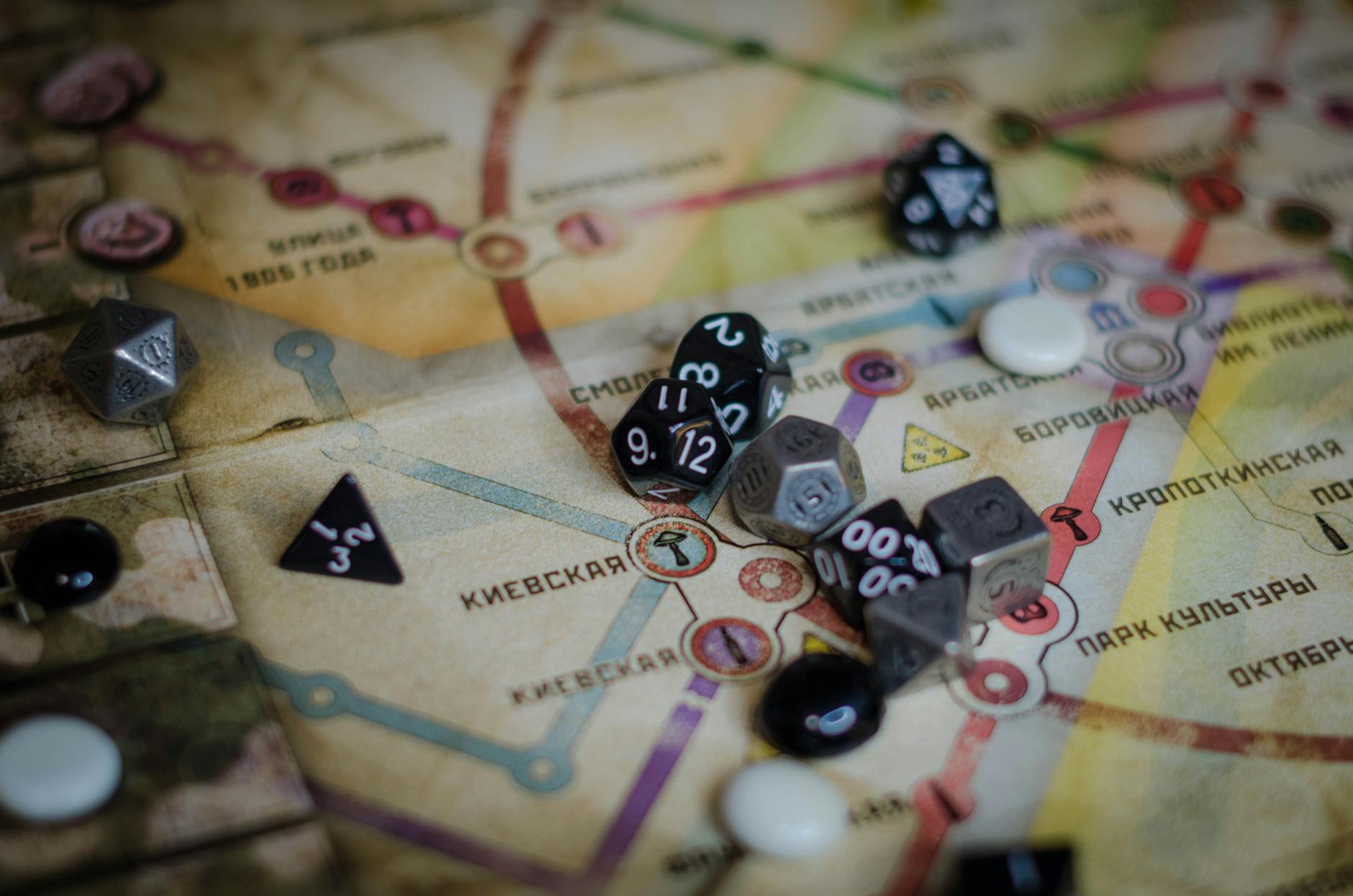
Research from Te Whare Wānanga o Waitaha | University of Canterbury suggests that Dungeons & Dragons groups may support well-being by providing meaningful social connections and a strong sense of belonging. The study focuses on how participation in a tabletop role-playing group can create connections through shared imaginative play.
A University of California, Riverside study reported that wealthier neighborhoods are more likely to catch fire than lower-income areas. The analysis attributed the higher exposure in part to the location of wealthy communities on hillsides and in canyons surrounded by wildlands, while also finding that they tend to recover faster after fires.
The United Nations warned Thursday that the planet’s water cycle is becoming increasingly erratic, shifting between conditions of too little and too much water. The warning said an unprecedented El Niño is expected to intensify the longer-term trend, though the supplied report does not provide further details about affected regions or impacts.
A Stanford team has documented what Phys.org describes as the first direct observation of quantum jumps of sound in a mechanical resonator. The report says the result completes an arc of scientific exploration that began more than 100 years ago, but the supplied account does not provide details about the experiment or its findings.
A new study says moss carder bumblebees are rapidly losing genetic diversity in Britain. Once widespread across the UK, the pollinators now survive mainly in coastal and island strongholds after the loss of flower-rich meadows, marshes and heathlands, according to the study reported by Phys.org.
Images of nebulae, stars, the moon and other astronomical subjects received top prizes in this year’s Astronomy Photographer of the Year competition. The contest was organised by the Royal Observatory in London, which recognised the winning astrophotography entries.
Literary settings linked to writers including the Brontës, Jane Austen, William Wordsworth and Thomas Hardy continue to attract readers’ attention. The places associated with Haworth, Bath, the Lake District and Dorset exert a lasting hold, even though the locations encountered outside books cannot fully match their literary identities.
New research examines ways to better protect the Amazon’s remaining forests as the 2026 El Niño intensifies across the region. The study focuses on conservation approaches intended to support biodiversity and preserve carbon, according to the supplied report.
The latest PISA results assess the science, mathematics and reading skills of 15-year-olds. The supplied source identifies the results as part of a discussion about what major assessments, including PISA and NAPLAN, may fail to capture about Indigenous students, but it provides no further findings or explanation.
A new study has revealed 23 previously missed ship carvings on a temple wall in Cyprus, decades after researchers first documented ancient ship images at the site. The carvings may have been made together near the end of the Bronze Age, around the period associated with the Bronze Age collapse, according to the supplied report.
Temperature records were broken across the central and southern United States as the autumnal equinox approached, according to NASA. The agency described the event in a report titled “Summer Goes Out With a Heat Dome,” but the supplied information does not provide specific locations, temperatures, dates of individual records, or details about the heat dome.
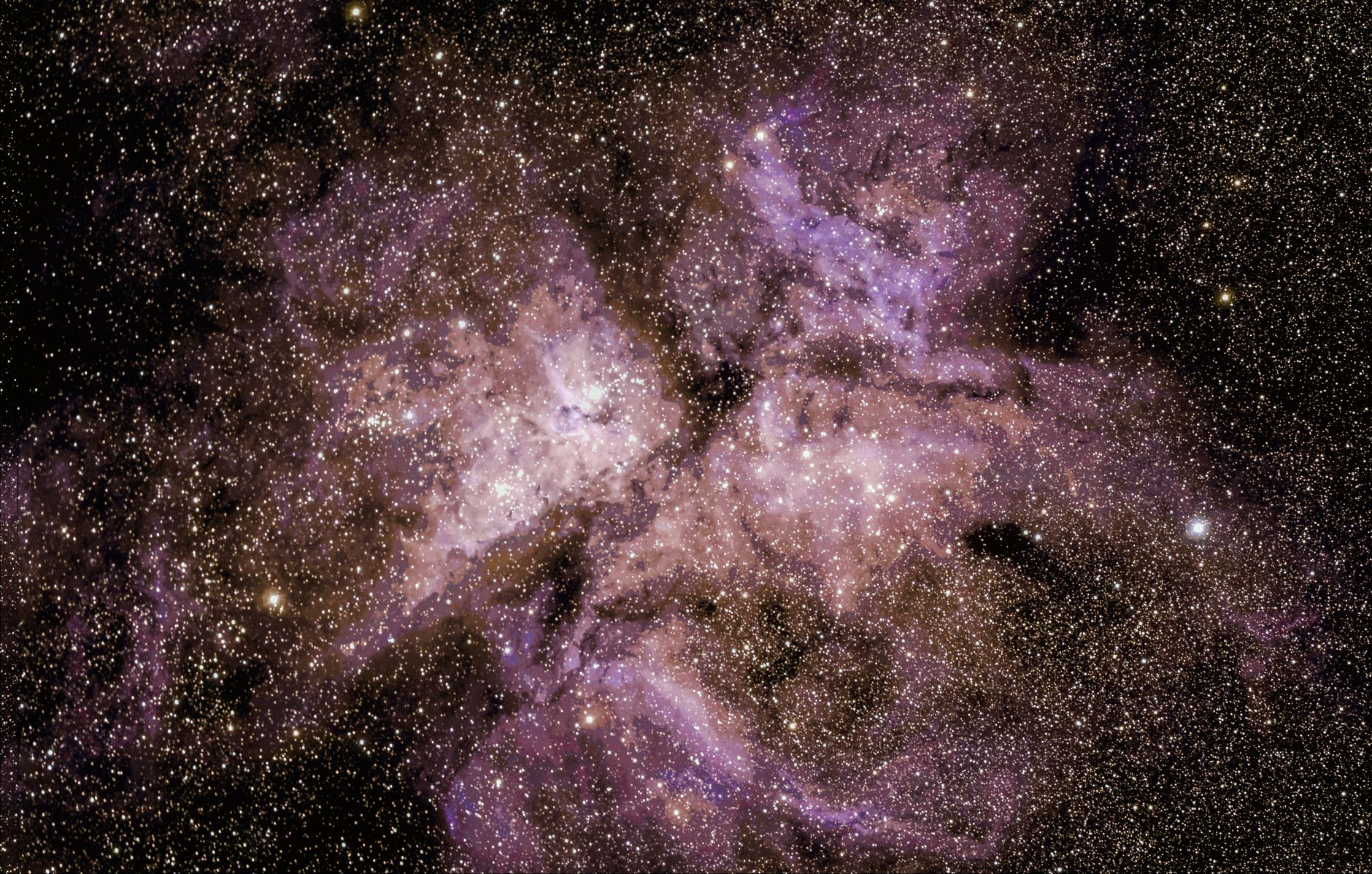
NASA’s Astronomy Picture of the Day for September 17, 2026, features an image titled “A Treasure Chest in the Carina Nebula.” The daily astronomy feature presents a different image or photograph of the universe with a brief explanation written by a professional astronomer.
A paper published in Nature describes prime assembly, a genome engineering method that can stitch long DNA fragments into precise, programmable locations within living cells. The approach is presented as a possible way to address limitations of current gene-editing methods, which may rely on untargeted delivery or patient-specific short DNA edits.
A research report offers insights into the board game industry, according to Phys.org. The supplied report does not identify the researchers, describe the methods used, state the findings, or explain how the analysis could affect game makers, retailers, or players.
Derek Abramson, Justin Hall and Justin Link began building and flying radio-controlled aircraft in their garages and homes before working at NASA’s Dale Reed Subscale Flight Research Laboratory. Their early hobby experience now contributes to work at NASA’s Armstrong Flight Research Center, where the laboratory supports aerospace research.
Astronomers have confirmed Elias 2-24 b as the youngest known planet, establishing its age at less than a million years. The planet is still orbiting within its natal disk of dust and gas, and the finding was made using data from archival records.
A University of Hertfordshire report says new towns may fail to become thriving, sustainable communities unless high-quality public transportation is planned from the outset. The report warns that overlooking transport at the beginning could lead new developments to repeat mistakes associated with earlier towns, though the supplied information does not specify which past examples were examined.
A study of large-scale oyster reef restoration in Chesapeake Bay found that rebuilt reefs are creating three-dimensional habitat associated with larger and more diverse fish communities. Researchers from the University of Maryland, Baltimore County, the Smithsonian Environmental Research Center and NOAA said the findings show a shift from communities dominated by small, transient schooling fish toward larger, resident species.
A study in Italy’s Pollino National Park found that forest structure played a larger role than topography in shaping vascular plant communities in old-growth forests. The researchers identified large trees, complex canopies and varied deadwood as important features associated with plant diversity, underscoring the ecological value of these forests.
A report by the International Bar Association identifies a gap between the importance legal professionals place on fundamental rule-of-law principles and their assessment of how effectively those principles are implemented. The survey covered 64 countries, according to Phys.org, but the supplied report does not specify which principles showed the largest differences or how implementation was assessed.
New research from the University of Queensland says understanding the migration pathways of sharks and rays is important to conserving some of the world’s most endangered marine species. The finding points to the need for conservation efforts that account for the movements of these animals across marine areas.
A team led by geographers at Penn State found that information about where people spend time can improve models of community health. Adding place-visitation data from millions of anonymous cellphone users with GPS-enabled devices increased predictive performance by an average of 7.5%, according to the report.
Djibouti became the 72nd nation and the eighth African country to sign the Artemis Accords during a ceremony Monday at NASA Headquarters in Washington. The accords set out practical principles intended to support transparency, safety, and coordination among nations exploring the Moon, Mars, and beyond.
NASA is scheduled to hold a webinar on Sept. 23 about the Commercial Smallsat Data Acquisition program, according to a NASA event listing. The session will cover the program’s goals and activities, including a new Cal/Val initiative, but the listing does not provide further details about the initiative or the event format.
NASA Ames’ Science Directorate recognized seven people as its September 2026 Stars of the Month. The honorees are Steve Ormsby, Aphrodite Kostakis, Alejando Borlaff, Sarah Nickerson, Martina Caussi, Keiko Nomura and Stephen Broccardo, whose contributions were cited as supporting NASA’s mission through technical expertise, collaboration and an entrepreneurial spirit.
NASA began its Inspiration Tour at an NFL game between the Pittsburgh Steelers and Atlanta Falcons at Acrisure Stadium in Pittsburgh on Sept. 13, 2026. The agency hosted an experience zone where fans posed for photographs with an astronaut, describing the engagement as part of an effort to strengthen connections between NASA and its audience.
Architectural features long thought to correct visual distortions in the Parthenon’s design may not have served that purpose, according to the supplied report. It says the proposed optical effects either lack supporting evidence or were too small to influence how the ancient Greek temple appeared.
Yale researchers have developed a method that combines electrocatalysis and plasma to convert carbon dioxide into methanol, butane and other useful chemicals. The approach is described as a way to generate multiple valuable products from the gas, although the supplied report does not provide details on its efficiency, operating conditions or readiness for wider use.
An international research team led by the University of Bristol has described Dinodontosaurus isiyavamanda, a prehistoric animal species from Tanzania dating to around 240 million years ago. The find comes from the Triassic period and may help scientists refine the age of a significant fossil site while reassessing the timeline of early dinosaur evolution.
A dataset developed by the U.S. National Science Foundation National Center for Atmospheric Research is intended to give city governments and health officials more detailed information about heat conditions. The data could help identify neighborhoods facing greater heat stress, especially in cities where urban heat islands can raise temperatures above those in surrounding rural areas.
A study examines how topology can be imprinted in nonlinear metasurfaces, within a broader effort to shape light into complex spatial patterns. The supplied report places the work in the context of structured light, which can carry information and interact with matter for applications including imaging, optical communications and information processing.
Neurons in humans and other mammals express genes extending from more than 100 kilobase pairs to over 2 megabase pairs. These genes support synapse and neural-circuit formation, but their length makes transcription time-consuming and requires regulation at several stages. Researchers are investigating mechanisms that may allow neurons to read these genes accurately and stably.
A study reported by Phys.org examines how product labels can influence consumer perceptions. It says four in 10 young people do not view “buy now, pay later” services as debt, while examples such as “no added sugar” and “99% fat-free” show how wording can make products appear healthier than they are.
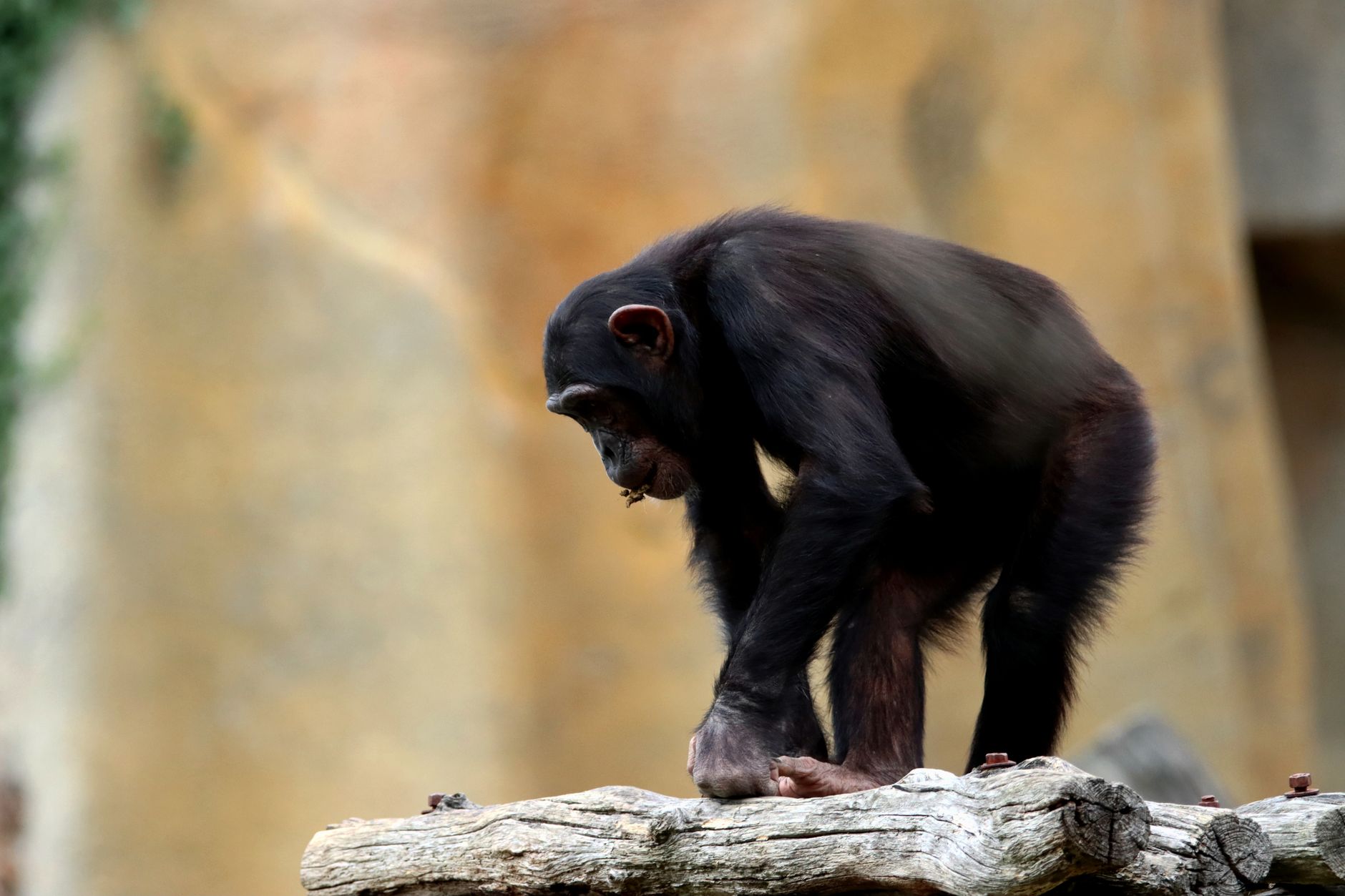
Adult chimpanzees have been observed passing tools to younger relatives, according to the supplied report. The behavior may help youngsters learn skills used to fish for ants or algae, linking tool transfer with the development of foraging abilities in wild chimpanzees.
Researchers following chimpanzees in Senegal report that adults literally hand youngsters tools used in learning difficult techniques. The observation follows Jane Goodall’s earlier account of a chimpanzee known as David Greybeard breaking off a twig and fashioning it into a termite-fishing tool. The supplied report does not specify how often the tool-sharing behavior occurs or how researchers recorded it.
NASA’s Astronomy Picture of the Day for September 16, 2026, features an image titled “Webb’s View of M64.” The APOD program presents a different image or photograph of the universe each day, accompanied by a brief explanation written by a professional astronomer. The source identifies the featured subject as M64.
A study of Tanzania’s agricultural marketplace found that frequent turnover among local agro-dealers affects how farmers perceive the quality of fertilizer and other products. The research, published in the American Journal of Agricultural Economics by University of Illinois Urbana-Champaign researchers, examines a possible market-related factor behind low fertilizer adoption among smallholder farmers in sub-Saharan Africa.
Research by IfM Bonn suggests that stronger collaboration between universities, research institutions and businesses requires regional technology transfer networks. The proposed networks would bring together technology transfer offices, business organizations, professional associations, business-related networks and financial intermediaries to share opportunities and highlight examples of good practice.
Some oceanographers argue that extraordinary measures may be needed to reduce the effects of record El Niño-related ocean heat on marine life. Proposals include lowering fishing quotas, rescuing endangered species from the water and testing geoengineering approaches, although the supplied report does not detail how the measures would be implemented or assessed.
A second dimension of time has generally been viewed as incompatible with observed reality. New theoretical insights involving black holes and quantum mechanics are prompting researchers to reconsider whether the idea warrants further examination, according to New Scientist. The source does not establish that a second time dimension exists.
A new brain implant enabled a person with paralysis to produce speech and gestures simultaneously through an avatar, according to New Scientist. Earlier brain implants had enabled people with paralysis to speak or move, but not both at the same time. The report describes the implant as larger than previous systems.
A New Scientist report says reading for pleasure has repeatedly been linked to cognitive benefits, including memory and attention, as well as empathy and mental health. The report also notes that fewer people are reading for pleasure, although the supplied information does not specify the evidence, populations studied, or scale of the decline.
A new calculation of the electroweak force is described as the most precise yet. The result could help researchers address cracks in the Standard Model of particle physics, according to the supplied source, but the available information does not specify the calculation’s numerical result, method, or the particular inconsistencies it may address.
Science-fiction writer Annalee Newitz describes how questions posed to researchers informed a new novel featuring a slime mould as its protagonist. The account focuses on the process of researching scientific ideas for fiction and on Newitz’s growing interest in slime moulds.
Graham Farmelo’s authorised biography of physicist Stephen Hawking examines controversies surrounding Hawking’s life and work. A review by Jacob Aron says the book deserves credit for addressing those issues, while arguing that it could have explored them more fully.
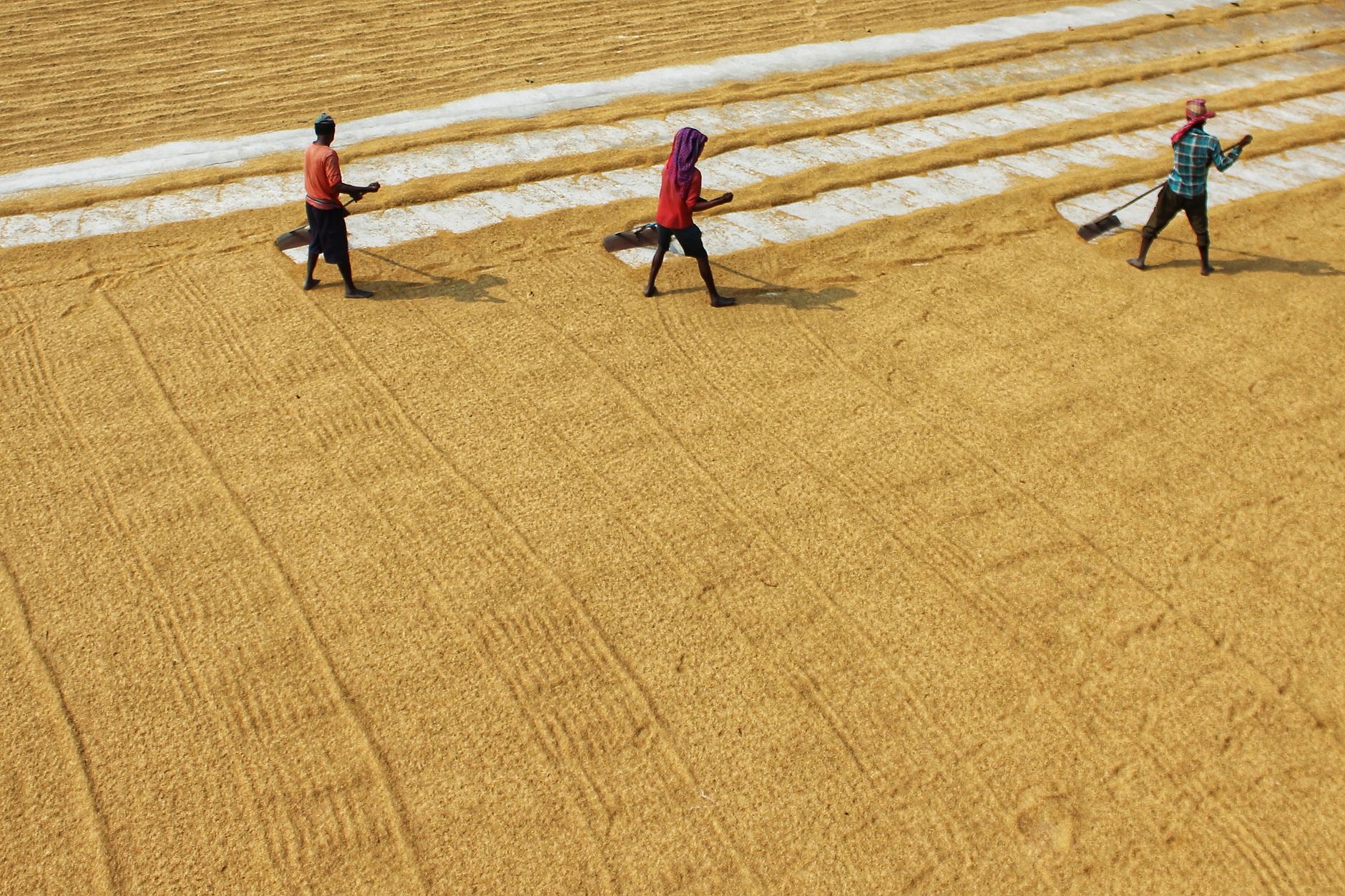
Scientists are studying rice production in northern Senegal, where farmer Moussa Ndiaye watched a combine harvest his paddy and anticipated a good grain harvest. The research also involves fish and aims to pursue increased rice production alongside reduced disease, according to the supplied report.
Traditional SETI searches have largely focused on detecting radio signals sent by extraterrestrial civilizations, whether deliberately or unintentionally. The supplied report points to a timing problem: a civilization may have existed and broadcast signals billions of years ago, rather than during the period when humans are listening.
A global commission has launched amid declining public trust in science and growing political pressures on higher education. The initiative is presented as an effort to support academic institutions as they address complex health challenges and develop evidence-based solutions, while protecting independent research and universities’ contributions to communities locally and globally.
Astronomers studying NGC 1068 found that its actively feeding central black hole is producing a more powerful gas outflow than previously recognized. By combining new infrared observations with existing data, researchers mapped how the black hole’s energy is reshaping gas around it. The findings were reported in a paper published Aug. 6 in Astronomy & Astrophysics.
In early July 2026, Stanford researchers attached a briefcase-sized box to a fire truck in Colorado before it was dispatched to a wildfire 300 miles away. The supplied report identifies the equipment deployment but does not provide details about how the approach forecasts toxic metals, what the device measured, or whether the effort produced results.
A smart coating that can repair itself is being developed to extend rust protection for buildings, bridges, cars and other steel components. The proposed technology would use a single application, according to Phys.org, but the supplied report does not provide details about its developers, testing, performance, or expected availability.
Some female animals that live in groups help raise offspring belonging to other females, including in cases where they do not reproduce themselves. The behavior is documented among cooperatively breeding species, but researchers say aspects of how and why it occurs remain poorly understood.
The peak body for Australian universities has called on the federal government to introduce concession cards and further discounts for all domestic university students. The appeal follows a report that one in three university students experience serious financial hardship, according to the supplied source.
Research from the University of Aberdeen and Edinburgh Napier University found that changing when conservation measures are carried out on farmland could improve protection for some rapidly declining wading bird species in the U.K. The available findings describe timing adjustments as a potentially important part of farmland management, but provide no further details about the measures or species involved.
HyperBird, an imaging platform for examining microscopic plant traits, can identify powdery and downy mildew in grapevines days before physical symptoms appear, according to Phys.org. The technology could support research into disease-resistant grape varieties and give growers earlier information for targeted fungicide use and crop management.
A doctoral thesis by Cassandra Ugland at NTNU examined what may influence whether European shags migrate during winter. The research, conducted through NTNU’s Department of Biology and published in the Journal of Animal Ecology, focused on how young birds’ first winter experiences may relate to later migration decisions.
A team from ETH Zurich and the Paul Scherrer Institute is investigating whether gravity acts equally on ordinary and exotic matter. Led by physics professor Anna Soter, the researchers have taken what they describe as an important step toward an experiment that would measure the gravitational interaction of the muon, a particle whose behavior could test existing ideas about gravity.
Robots and artificial intelligence identified an unexpected pathway in a chemical reaction described as 135 years old, according to Phys.org. The report notes that reactions can follow different routes depending on factors including starting-material concentrations, temperature, catalysts and other conditions, complicating the simplified equations often used to represent them.
Researchers at the University of Hawaiʻi at Mānoa found in laboratory food-choice tests that little fire ants overwhelmingly selected cooked beef and sunflower seeds over water-packed tuna. The study, published in the Journal of Applied Entomology, suggests those foods may be more useful for detecting or baiting the invasive ants in backyards.
University of the Sunshine Coast researchers documented a dolphin named Bubbles using a feeding strategy in which it harasses fish until they regurgitate food. The dolphin then takes the regurgitated meal, according to Phys.org. Researchers described the behavior as novel and said it had surprised them.
New research from a Department of Psychology examined how children and adults judge another person’s emotions. The study found that children were more likely than adults to rely on what they heard rather than what they saw when assessing emotional states.
College students are entering what the supplied report describes as one of the most precarious labor markets in years. A recent New York Federal Reserve study found a sharp increase in unemployment among recent college graduates compared with other workers, while possible explanations include artificial intelligence-related job displacement and a broader slowdown in hiring.
Meretneith, also written as Merneith, was a royal woman who lived in ancient Egypt more than 5,000 years ago. Digital evidence is being used to examine whether she was a female king during the First Dynasty, when Egypt’s first kings ruled a unified state; she may have been the daughter of King Djer.
NASA’s Astronomy Picture of the Day for September 15, 2026, features a daytime event in which the Moon occults Venus. The entry is part of NASA’s daily astronomy image series, which presents a different image or photograph of the universe with an explanation written by a professional astronomer.
Reds, yellows, and oranges are already appearing across tundra landscapes in Nunavut, according to NASA. The observation offers an early view of seasonal color in Canada’s northern territory, but the supplied report does not provide a date for when the change was recorded or explain what caused it.
NASA’s Astronomy Picture of the Day entry for September 14, 2026, is titled “Where Your Elements Came From.” The daily feature presents an image or photograph of the universe with a brief explanation written by a professional astronomer, according to NASA’s description of the APOD project.
NASA’s Astronomy Picture of the Day for September 11, 2026, features M83, a galaxy also known as the Southern Pinwheel. The daily APOD project presents one image or photograph of the universe with a brief explanation written by a professional astronomer.
NASA said scientific results from Moon rock samples, lunar datasets and discoveries produced through its Artemis program will be shared with the global scientific community. The agency said all 71 countries that have signed the Artemis Accords uphold that commitment as part of principles for safe and transparent civil space exploration.
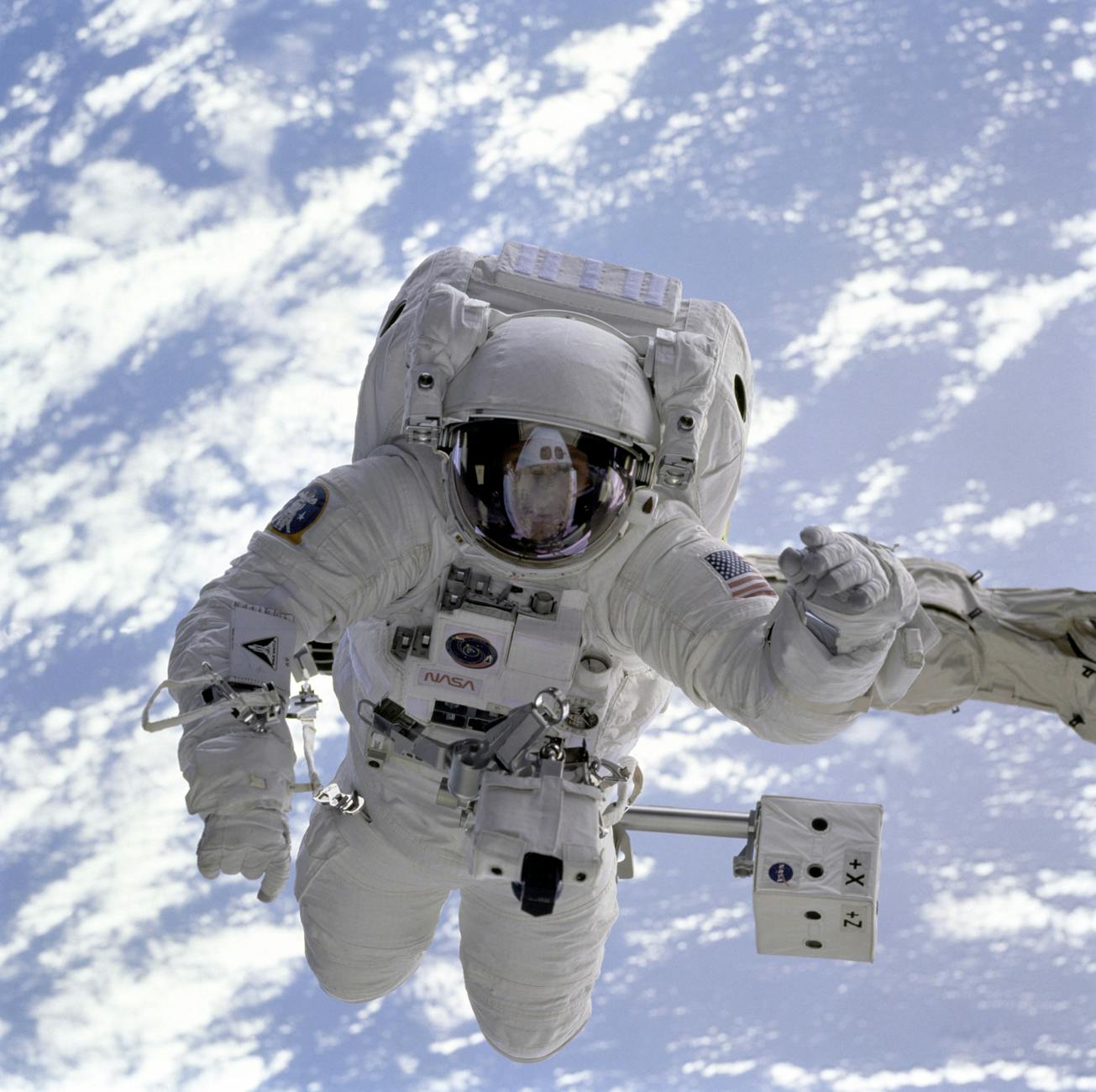
NASA’s SpaceX Crew-12 astronauts are scheduled to hold a news conference from the International Space Station at 2:45 p.m. EDT on Wednesday, Sept. 16. NASA astronauts Jessica Meir and Jack Hathaway, ESA astronaut Sophie Adenot and Roscosmos cosmonaut Andrey Fedyaev are expected to discuss their upcoming return to Earth.
NASA released an image of the II Zw 096 system showing two galaxies merging at a furious rate. The Aug. 25, 2026, image combines data from NASA’s Chandra X-ray Observatory and other telescopes, with X-ray observations identifying powerful black hole activity and hot gas in the system.
NASA’s Artifact InSPECtor project invites members of the public to examine data from space telescopes and help scientists identify whether observed features are real. The project is intended to support missions including Euclid and NASA’s Nancy Grace Roman Space Telescope, which are being used to investigate fundamental questions in science.
NASA reports that Mexico’s second-largest metropolitan area borders folded rock layers of the Sierra Madre Oriental. The description places Monterrey alongside a major mountain system, but the supplied material does not provide an image date, location details beyond the metropolitan area, or an explanation of the geological formation.
NASA and the National Football League are beginning a collaboration to present space exploration and aeronautics innovation at NFL games across the United States. The agency says its new Inspiration Tour will include flyovers, astronaut appearances and fan engagement, bringing NASA programming to football venues through activities connected with the league.
Search-and-rescue technology developed in part by NASA saved five lives, according to NASA. The agency’s account describes the technology as useful in locations where cell signals cannot reach, but the supplied information does not provide details about the rescues, the people involved, or when and where they occurred.
NASA says work has begun on establishing the first United States Space Academy, less than two weeks after an executive order was signed to create it. NASA Administrator Jared Isaacman chaired the first Presidential Commission on the academy, which is intended to shape the country’s aerospace workforce and leadership.
The Republic of Djibouti is scheduled to sign the Artemis Accords during a ceremony at NASA Headquarters in Washington at 11 a.m. EDT on Monday, Sept. 14. NASA said the signing would make Djibouti the 72nd country to join the accords. NASA Deputy Administrator Matt Anderson is scheduled to host Ambassador Mohamed Siad Douale.
NASA and European partners launched the Sentinel-6B satellite last November to improve hurricane forecasts, protect infrastructure and support commercial industries including shipping. Sentinel-6B now flies 30 seconds behind Sentinel-6 Michael Freilich, allowing the two satellites to provide precise sea-level measurements during a period oceanographers expect to be a historic El Niño.
NASA awarded Relativity Space Inc. a Launch Services (NLS) II contract for its Terran R launch service under the contract’s on-ramp provision, according to the agency. The addition makes Terran R available for NASA to use on future missions through the NLS II multiple-award, indefinite-delivery/indefinite-quantity contracting framework.
NASA’s Astronomy Picture of the Day for September 10, 2026, features LDN 1295, identified in the title as the Giraffe Nebula. The daily feature presents an image or photograph of the universe with a brief explanation written by a professional astronomer, according to NASA’s APOD description.
Scientists using NASA’s Chandra X-ray Observatory have identified a class of objects in other galaxies that show an unusual combination of radiation: unusually low-energy X-rays and intense ultraviolet emission. Astronomers say the objects behave unlike anything they have previously seen and may help address two long-standing questions in astrophysics.
More than 1,000 visitors explored NASA sea level science during a World Ocean Day event at the University of Georgia Aquarium on Skidaway Island on June 6, 2026. The event provided visitors with firsthand exposure to NASA’s sea level science, according to NASA.
NASA reported that three tropical cyclones were active in the Pacific while the Atlantic was notably quiet. The source identifies the Pacific as unusually busy with storms but does not provide the cyclones’ names, locations, intensities, or the date of the observed conditions beyond its publication timestamp.
NASA’s Astronomy Picture of the Day for September 4, 2026, features “Nā ʻUhane Māhoe Huki Pū i ke Ola.” The daily feature presents a different image or photograph of the universe with a brief explanation written by a professional astronomer. The supplied record does not identify the image or provide its explanation.
Skywatchers across the United States and parts of Canada observed a rare daytime lunar occultation of Venus on Wednesday, June 17. The event occurred when the Moon moved directly in front of Venus from Earth’s viewpoint, briefly hiding the planet from sight.
NASA will host a public virtual webinar on Friday, Oct. 2, focused on the RS-25 engine and the future of Artemis missions. The approximately two-hour event is tailored for blind and low-vision attendees and is scheduled to begin at 2 p.m. EDT.
NASA’s Astronomy Picture of the Day for September 7, 2026, features the Pelican Nebula in gas, dust, and stars. The daily feature presents a different image or photograph of the universe, accompanied by a brief explanation written by a professional astronomer.
NASA’s Astronomy Picture of the Day for September 5, 2026, is titled “Chasing the Moon’s Shadow.” The daily feature presents an image or photograph of the universe with a brief explanation written by a professional astronomer, according to NASA’s APOD description.
NASA says the Hubble Space Telescope captured an image featuring N44, described as a sprawling cosmic vista. The supplied information identifies the subject as a “superbubble scene,” but provides no further details about N44’s location, structure, formation, or the scientific findings associated with the image.
NASA’s Nancy Grace Roman Space Telescope is traveling toward its final orbit on a three-month, million-mile journey. The mission launched at 7:26 a.m. EDT on Aug. 30 aboard a SpaceX Falcon Heavy rocket from Launch Complex 39A at NASA’s Kennedy Space Center in Florida, beginning an effort to study the universe’s darkest secrets.
NASA’s Curiosity rover encountered broad, shallow pits in both of its workspaces during the sols 4988-4994 planning period. The agency said the features were unlike quite anything seen previously, after Curiosity had spent 14 years on the Martian surface. The observations were described in a blog post written by MAHLI Deputy Principal Investigator Michelle Minitti.
NASA will provide live coverage of the launch and docking of Roscosmos’ unpiloted Progress 96 cargo spacecraft. The vehicle is scheduled to launch Wednesday, Sept. 9, carrying about three tons of food, fuel and supplies for the International Space Station crew; the launch time listed by NASA is 12:15 p.m. EDT, or 9:15 p.m. Baikonur time.
NASA reported new results from a sounding rocket mission studying sporadic E layers, thin high-altitude metallic clouds formed from vaporized meteor dust. The layers emerge and dissipate unpredictably near the edge of space and can disrupt radio signals; the mission examined them from multiple points.
The Moon passed into Earth’s shadow on Aug. 28, 2026, producing a deep partial lunar eclipse. At greatest eclipse, at 12:13 a.m. EDT, 96.3% of the lunar disk was inside Earth’s umbra, the central part of the shadow where sunlight is completely blocked.
NASA’s Hubble Space Telescope has observed a giant, evolving, 10-sided atmospheric wave encircling Saturn’s south pole. The observation documents a decagon-shaped feature in the planet’s atmosphere, according to NASA’s account of the Hubble observations.
NASA has updated its Community College Aerospace Scholars student challenge for community college students across the United States. The program invites participants to learn about NASA and its missions, engage with NASA experts, and explore how their studies may connect with careers in aerospace, science, engineering, and technology.
Technicians at NASA’s Kennedy Space Center in Florida began installing four RS-25 engines into the core stage of the Space Launch System rocket on Aug. 24. NASA said the rocket is scheduled to carry the Artemis III crew into low Earth orbit in 2027, with each engine identified by a unique serial number documenting its flight history.
NASA’s September 2026 skywatching guide points to several observing opportunities, including the Moon near Antares and the Teapot, brilliant Venus, the seasonal equinox and the Harvest Moon near Saturn and Neptune. The agency’s highlights are presented in a transcript covering the month’s listed celestial events.
NASA awarded Blue Origin a contract to develop the agency’s Mars Telecommunications Network, a communications system intended to provide high-bandwidth communications and navigation services for current and future Mars missions. The firm-fixed-price contract has a maximum potential value of approximately $700 million and includes delivery of a Mars telecommunications orbiter.
NASA’s Astronomy Picture of the Day for September 3, 2026, is titled “The Eclipse and the Stork.” The APOD program presents a different image or photograph of the universe each day, accompanied by a brief explanation written by a professional astronomer. The supplied NASA listing identifies the featured item but provides no further description of its image or subject.
A substantial iceberg calved from Petermann Glacier in northwest Greenland during summer 2026 and drifted into Nares Strait. NASA reported that the iceberg collided with an island along the way, but the supplied account does not specify the island’s name, the collision’s effects, or what happened to the iceberg afterward.
NASA’s Astronomy Picture of the Day entry for September 1, 2026, is titled “A Plane Lunar Eclipse.” The APOD program features a different image or photograph of the universe each day, accompanied by an explanation written by a professional astronomer. The supplied record does not provide further details about the image or eclipse.
NASA’s Nancy Grace Roman Space Telescope launched at 7:26 a.m. EDT Sunday aboard a SpaceX Falcon Heavy rocket from Launch Complex 39A at Kennedy Space Center in Florida. The telescope is beginning a three-month, million-mile journey to its final orbit, where NASA says it will study the universe’s darkest secrets.
A NASA panorama shows five antennas at the Deep Space Network’s Goldstone complex near Barstow, California, in August 2026. The image includes recently completed Deep Space Station 23, a 34-meter beam-waveguide antenna, along with three other 34-meter antennas identified as DSS-26, DSS-25 and another antenna whose designation is not included in the supplied description.
NASA’s Deep Space Station 23 has gone online at the Deep Space Network’s Goldstone complex near Barstow, California. The 34-meter, multifrequency beam-waveguide antenna is designed to increase network capacity and strengthen NASA’s communications with deep-space missions, with the agency saying it will support those capabilities for decades.
NASA leadership and representatives from the Jet Propulsion Laboratory and Deep Space Network attended a ribbon-cutting event for the recently completed Deep Space Station 23 antenna on Aug. 25, 2026. The event took place at the Deep Space Network’s Goldstone complex near Barstow, California.
NASA said the Payment Management System is experiencing issues that affect the generation of Federal Financial Reports. The agency said impacted NASA grant recipients will not be considered noncompliant while it works with the system to resolve the problem, and that updates will be posted on its grants page.
President Donald J. Trump signed an executive order on Friday to establish the first U.S. Space Academy, according to NASA. The proposed academy is intended to strengthen the nation’s space workforce and develop future space leaders, while the order identifies space as important to national security, economic growth, scientific discovery, and technological innovation.
NASA astronauts Victor Glover, Christina Koch and Reid Wiseman, along with Canadian Space Agency astronaut Jeremy Hansen, received the Congressional Space Medal of Honor from President Donald J. Trump on Aug. 28, 2026. NASA said the awards recognized the crew’s service during the Artemis II mission.
NASA’s Nancy Grace Roman Space Telescope is scheduled to launch at 7:26 a.m. EDT on Sunday, Aug. 30, according to NASA. The agency describes Roman as a wide-view mission and directed readers to its mission webpage for additional information about the telescope.
NASA Ames Research Center held a swearing-in ceremony for new civil servants on Aug. 24, 2026. The ceremony took place in the National Full-Scale Aerodynamics Complex’s 80-by-120-foot test section in building N221 and was described by NASA as the largest such ceremony hosted at the California center since an unspecified earlier date.
Turkey is scheduled to sign the Artemis Accords at a ceremony at NASA Headquarters in Washington on Monday, Aug. 31, at 2:30 p.m. EDT. The signing would make Turkey the 71st country to become a signatory, with NASA Administrator Jared Isaacman hosting Turkish Minister of Industry and Technology Mehmet Fatih Kacır alongside U.S. Department of State officials.
NASA named an MIT team the first-prize winner in Phase 2 of its LunaRecycle Challenge, which sought methods to reduce waste during missions to the Moon or deep space. The CERBERUZ team, made up of undergraduate, graduate, and doctoral students, received $775,000 in awards for a technology that grinds mixed trash into fine powder.
President Donald J. Trump awarded the Congressional Space Medal of Honor to NASA astronauts Reid Wiseman, Victor Glover, and Christina Koch, along with Canadian Space Agency astronaut Jeremy Hansen. The ceremony took place Friday at NASA’s Johnson Space Center in Houston and recognized their service during the Artemis II mission.
The Congaree River meanders through Congaree National Park, sustaining towering forest ecosystems across its floodplain. As the river shifts course, it also forms oxbow lakes, shaping the floodplain landscape described in a NASA Earth Observatory report published August 28, 2026.
NASA’s Astronomy Picture of the Day for August 28, 2026, is titled “The Sky Turns Above Paranal.” The APOD feature presents one image or photograph each day with an explanation written by a professional astronomer, but the supplied excerpt does not provide details about the image or the Paranal scene.
NASA plans to provide live coverage of a spacewalk outside the International Space Station on Tuesday, Sept. 1. Two astronauts are scheduled to replace a spacecraft navigational aid and perform several maintenance tasks supporting station operations, with coverage beginning at 7 a.m. EDT and the spacewalk expected to start at approximately 8:30 a.m.
During the Aug. 12 total solar eclipse over Europe, scientists sought data on why the Sun’s corona is far hotter than its visible surface. Pilots from NASA’s Johnson Space Center flew WB-57F high-altitude research aircraft from Ellington Field in Houston to Iceland to reach the needed location during the eclipse.
NASA’s Nancy Grace Roman Space Telescope was moved on Aug. 25, 2026, from the Payload Hazardous Servicing Facility to SpaceX’s hangar at Launch Complex 39A at Kennedy Space Center. The telescope was enclosed in its payload fairing ahead of mating with a SpaceX Falcon Heavy rocket, while its science instruments are designed to support research into dark matter and dark energy.
NASA says Earth-observing satellite missions track aerosols, sea levels, land cover, and cloud cover across years and decades. Maintaining those records for scientific and operational communities requires planning for an uncertain future, including anticipating the effects of possible mission delays, according to the agency.
NASA’s Astronomy Picture of the Day for August 27, 2026, features an image titled “Colorful Aurora over an Icelandic Waterfall.” The daily APOD feature presents a different image or photograph of the universe, accompanied by a brief explanation written by a professional astronomer.
NASA has announced coverage plans for prelaunch and launch activities involving the Nancy Grace Roman Space Telescope. NASA and SpaceX are targeting liftoff no earlier than 7:26 a.m. EDT on Sunday, Aug. 30, from Florida, with the observatory scheduled to launch aboard a SpaceX Falcon Heavy rocket.
NASA’s Astronomy Picture of the Day for August 26, 2026, features an image associated with the James Webb Space Telescope and the Lion’s Head Nebula. The APOD entry is part of NASA’s daily astronomy series, which presents a different image or photograph of the universe with an explanation written by a professional astronomer.
NASA astronauts Anil Menon and European Space Agency astronaut Sophie Adenot conducted a six-hour-and-23-minute spacewalk outside the International Space Station on Aug. 18, 2026. The Expedition 75 flight engineers worked together during the activity, which included finishing installation of a high-speed system, although the supplied record does not identify the system further.
NASA says autonomous space missions need systems that can detect and compensate for faults without human intervention. A technology approach described by the agency connects fault management with model-based systems engineering to support both system design and operations. NASA says the approach was successfully demonstrated, though the supplied information does not specify the demonstration’s details.