
Study examines how history and ecology shape urban segregation in southern Chile
A study of Valdivia, Chile, examines urban segregation through historical, social and ecological contexts. It focuses on three periods and issues: colonization, the 1960 earthquake and current efforts to protect urban wetlands, offering an integrated perspective on inequality in the Global South, where this approach has received limited attention.
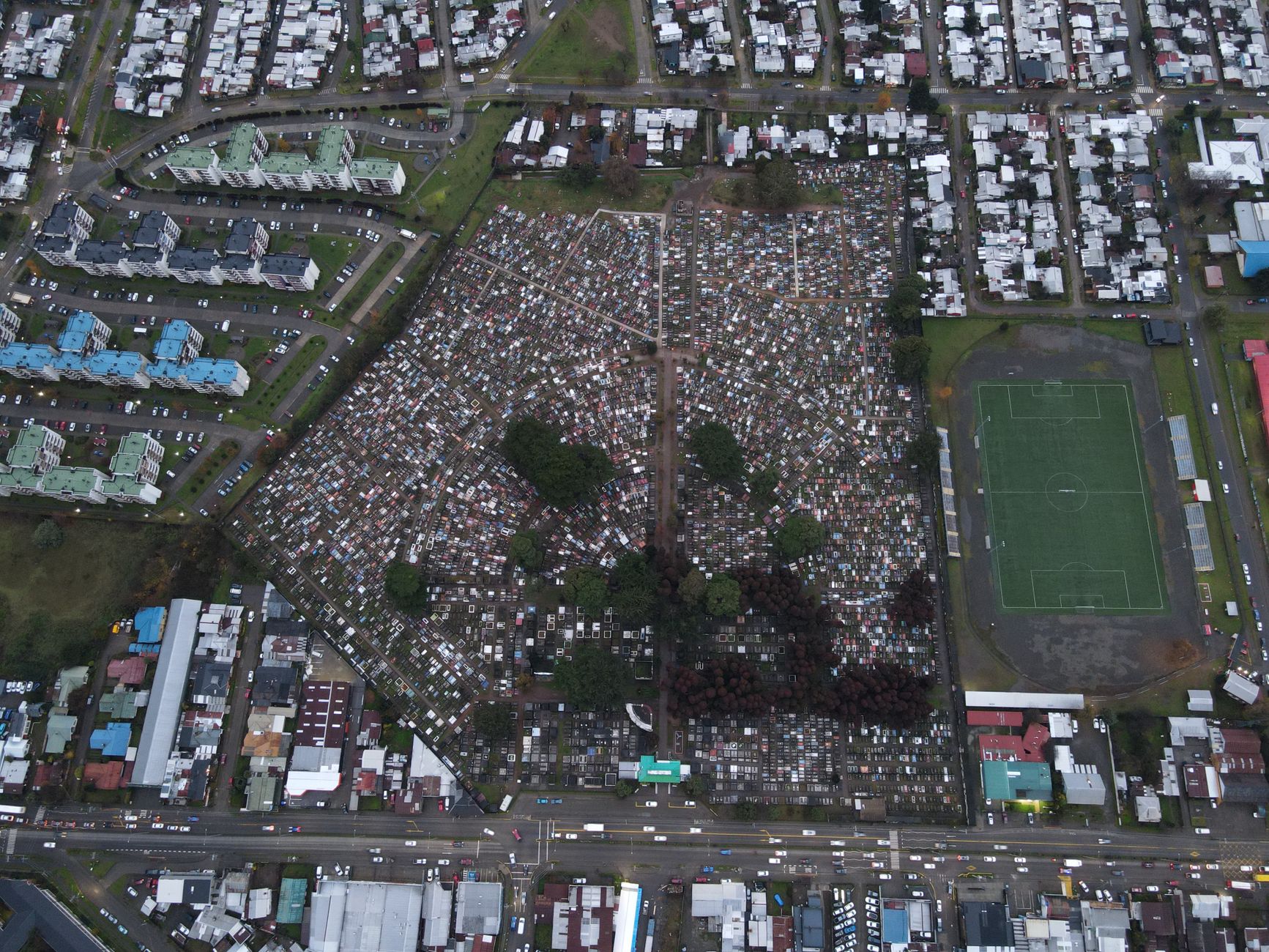
A recent study of Valdivia, Chile, examines urban segregation as a phenomenon connected to historical, social and ecological contexts.
The research focuses on three key moments: colonization, the 1960 earthquake and current struggles to protect urban wetlands. The study addresses an integrated perspective that has received limited attention in the Global South.
THE QUESTIONS THIS EVENT LEAVES BEHIND
How did each historical moment alter access to urban space in Valdivia?
Which communities benefit from current efforts to protect urban wetlands?
What conditions are needed to distinguish ecological protection from exclusionary urban planning?
How might the study’s conclusions apply beyond Valdivia?
YOUR QUESTION
Does this story leave you with another question?
Send us the question the report did not answer. It may become the next question IAQ investigates.
GLOBAL CURIOSITY MAP · AUGUST 2026