Researchers in India have generated reference genomes for four threatened Asian hornbill species. Scientists from the Nature Conservation Foundation in Mysore and the CSIR–Centre for Cellular and Molecular Biology in Hyderabad assembled high-quality genomes as part of work examining the birds’ genetic history and possible future.
THE QUESTIONS THIS EVENT LEAVES BEHIND
How might the reference genomes influence future conservation decisions for these species?
What conditions would be needed to translate genetic findings into protection for hornbill populations?
How could habitat loss or other threats affect the usefulness of these genomes?
Who will have access to the genomic data, and how might that shape conservation priorities?
These questions are not separate threads. IAQ follows the connections between them, looking for the hidden mechanisms that can make different questions emerge from the same event.
Nearly half of the fish caught in the wild worldwide could be directed to aquaculture feed by 2040, according to a report published Sept. 4. The projection applies to a scenario in which the aquaculture industry expands exponentially in line with a roadmap developed by the U.N. Food and Agriculture Organization.
A so-called “super El Niño” is entering record-breaking territory, according to an analysis published by Carbon Brief. Sea-surface temperatures in the tropical Pacific now equal an all-time record, the available excerpt says, but it does not provide the temperature reading, comparison period, location details, or wider effects.
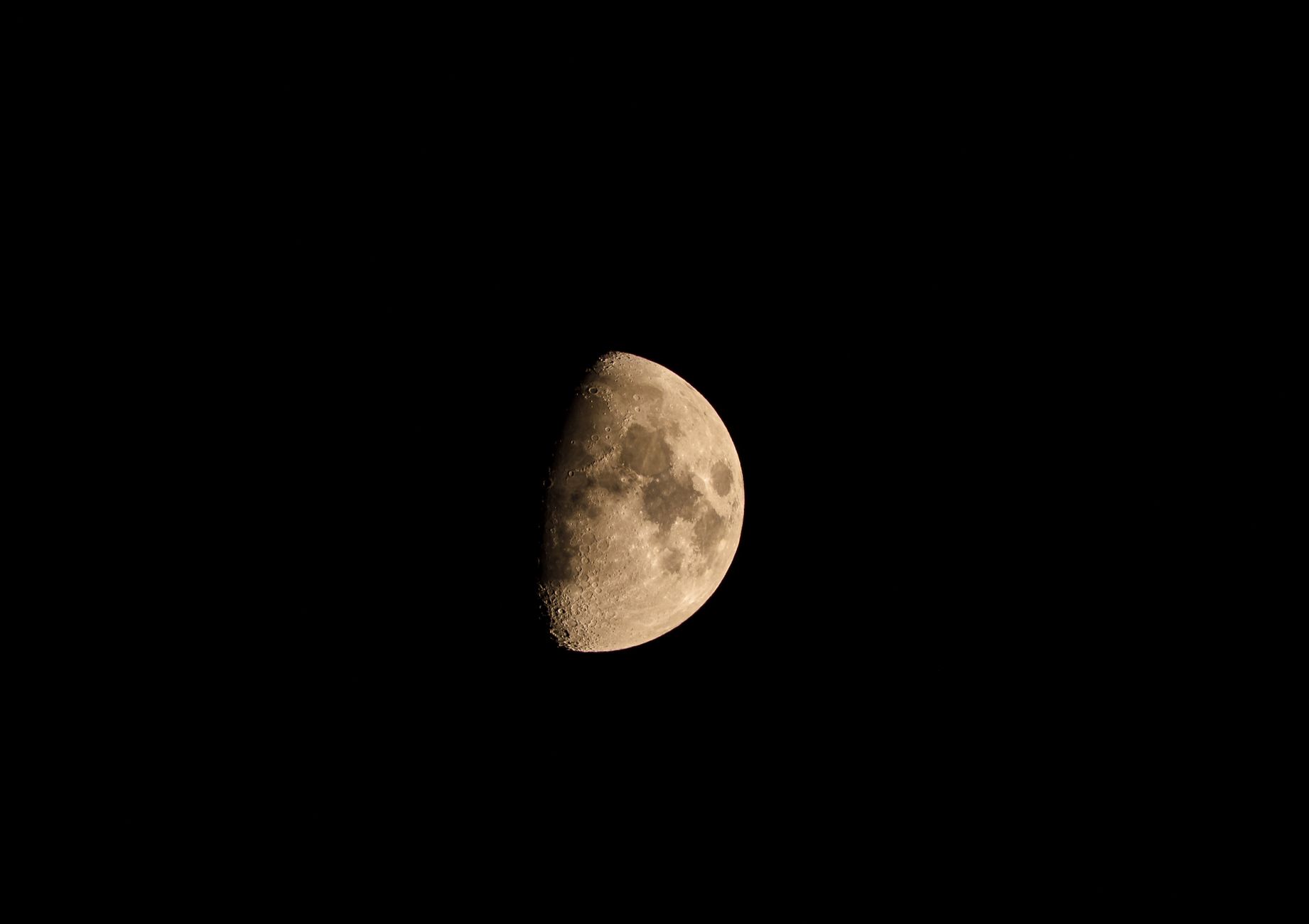
A paper published in Science Advances describes what Universe Today calls the largest lunar crater discovered in modern times. The report says the crater was created by an impact on the Moon and was identified through observations by professional Moon watchers, who monitor smaller changes across the lunar surface.
Researchers examined how long-finned pilot whales communicate across short and long distances in the Strait of Gibraltar, where ship traffic creates persistent underwater noise. The whales, which are a species of large dolphin, were found to need louder calls to be heard over the rumble between Morocco and Spain.
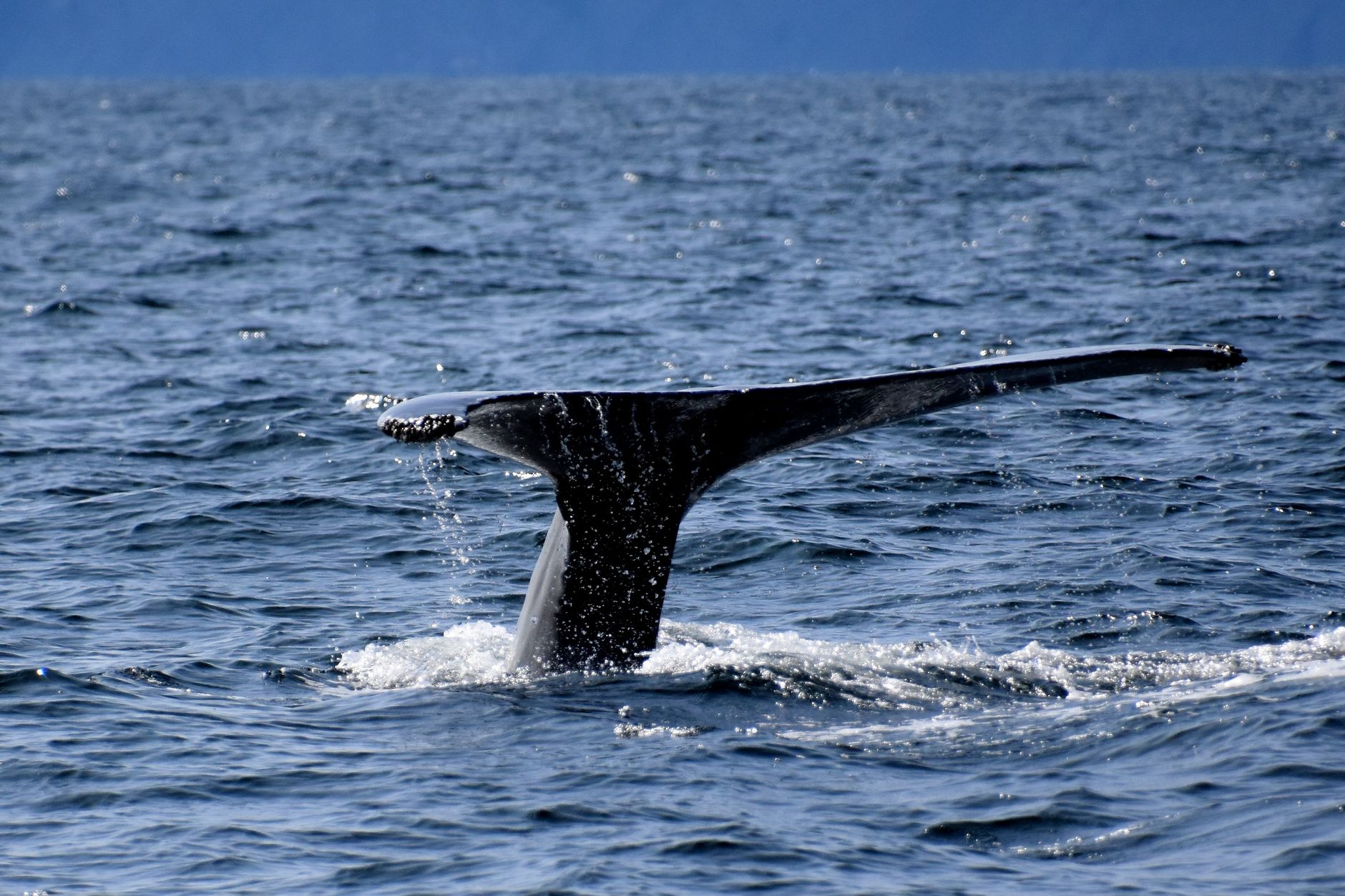
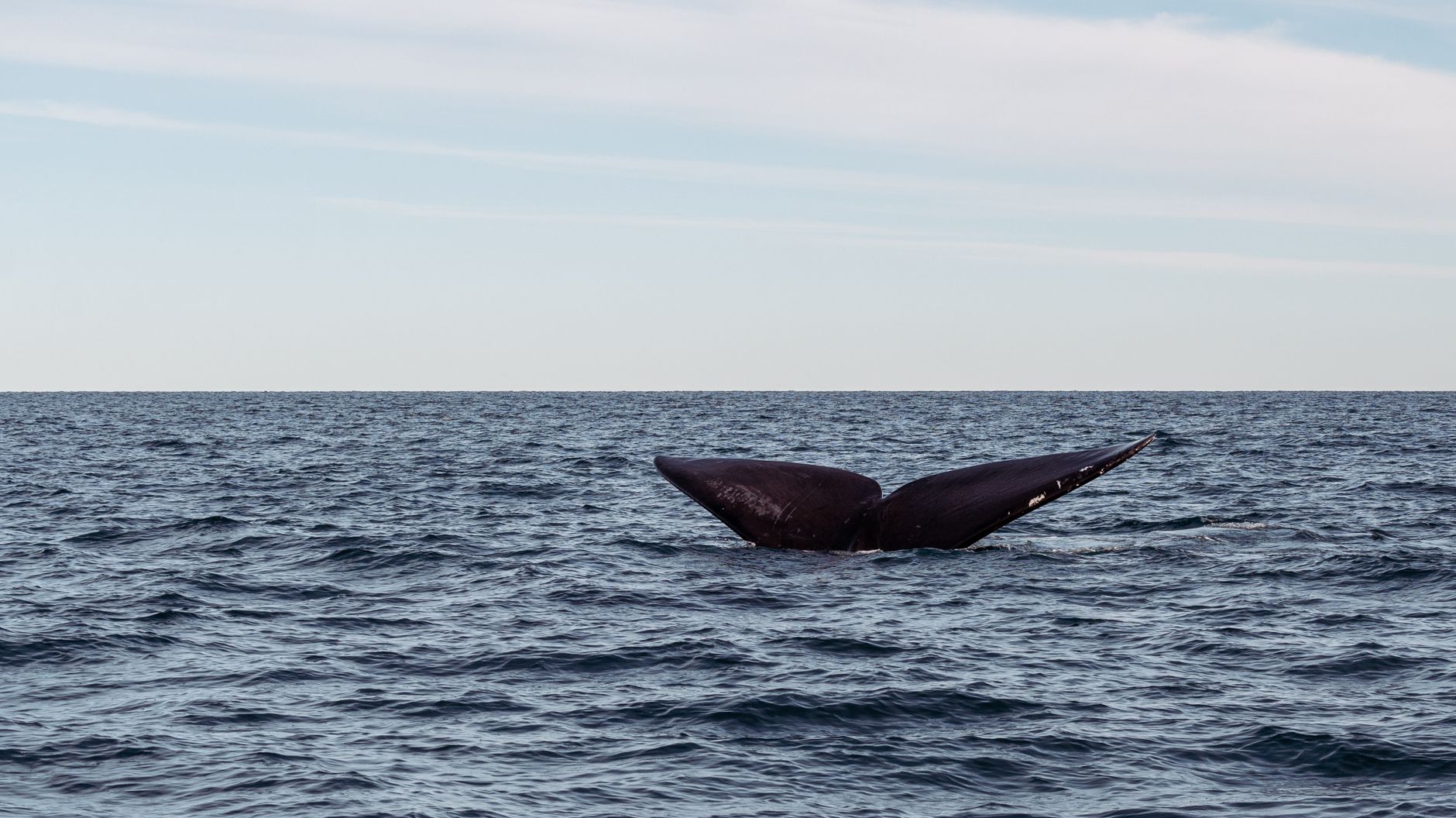
Sperm whales are the only whales known to rest vertically, floating steadily just below the ocean’s surface. Scientists had hypothesized that the animals release air bubbles to help maintain neutral buoyancy, and new research reportedly demonstrates how that process works while the whales rest.
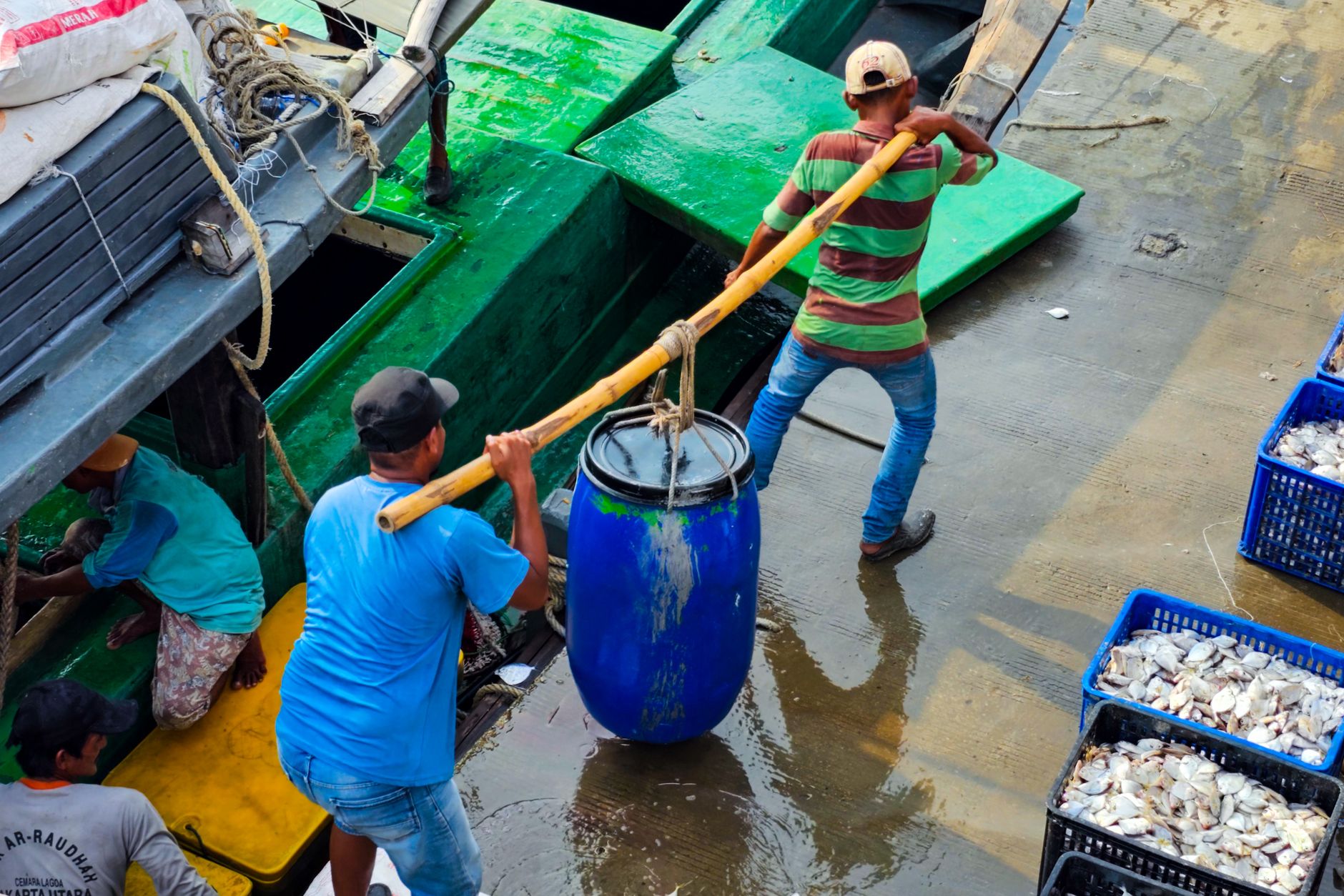
In Poto Tano, a small fishing community on Indonesia’s Sumbawa island, Bajau octopus fishers assess sea conditions before choosing their tools. Mahari, the group’s ketua, or leader, guides that decision. The report examines how freediving is connected to Bajau traditions and marine conservation in the community.
Researchers from the University of Alabama and the Center for Astrophysics at Harvard & the Smithsonian report a possible new group of ultra-bright X-ray emitters called Hypersoft X-ray Sources. The proposed class appears in a new paper and could help address two long-standing questions in astronomy, according to an accompanying press release.
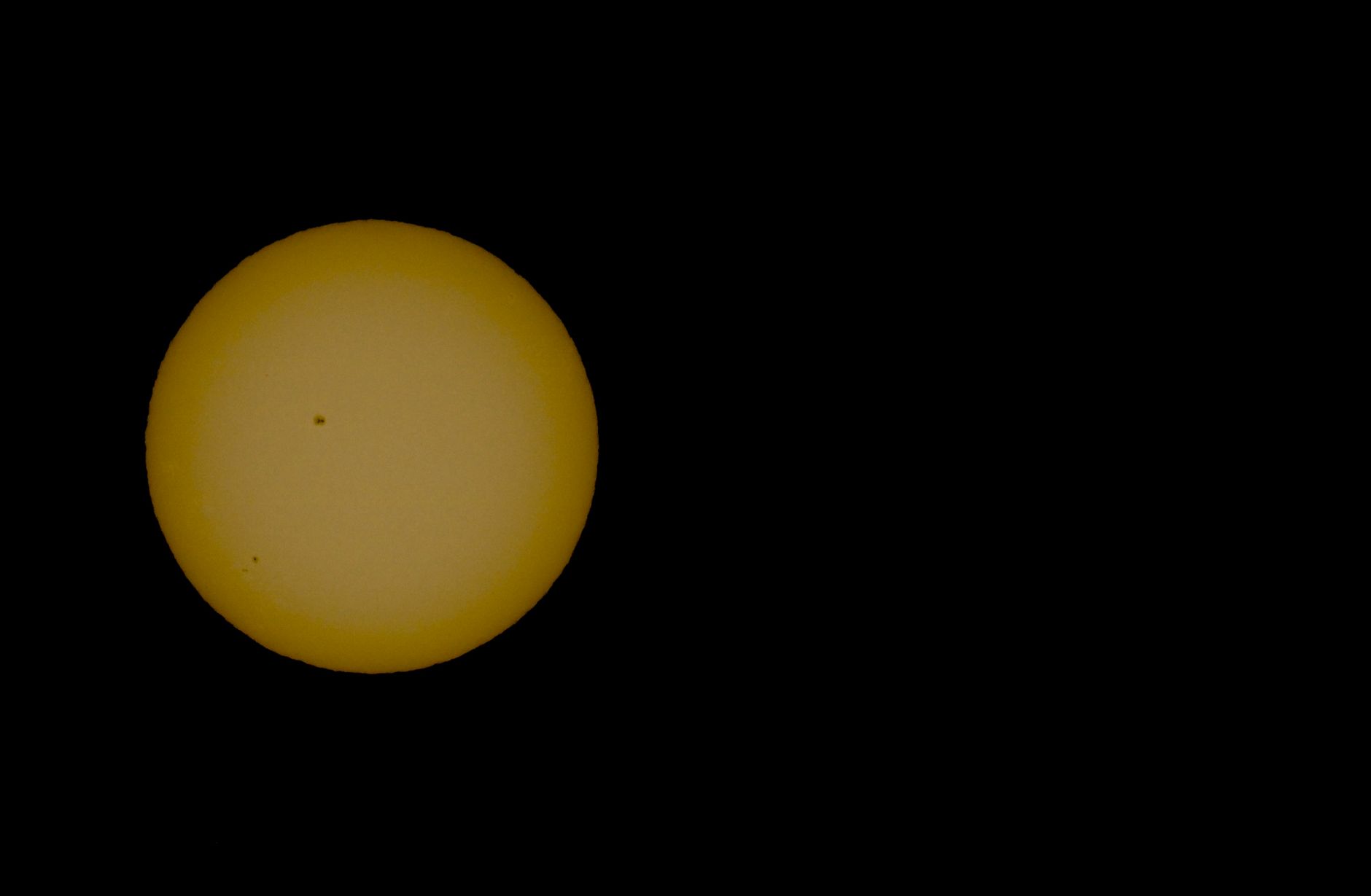
A team led by researchers at Peking University says observations from Solar Orbiter revealed rapid, high-frequency magnetic waves in the Sun’s polar coronal holes. The study, published in National Science Review, examines whether these waves help provide the additional acceleration experienced by particles in the fast solar wind, which can travel at hundreds of kilometers per second.
A new study measured changes in Earth’s center of mass at millimeter scale and found that its seasonal movement is smaller than previously thought. The center of mass is not stationary: it shifts with the seasons and also changes over longer periods, according to the supplied report.
MIT PhD candidate Lanie McKinney is developing technology intended to convert chemicals in the Martian atmosphere into propellant. The proposed approach could support refueling depots on Mars and help astronauts produce the fuel needed for a return journey, according to Universe Today.
A paper by Natalie Krivova of the Max Planck Institute for Solar System Research and her co-authors challenges the assumption that the Sun cannot produce superflares, powerful outbursts observed on some Sun-like stars. Published in Philosophical Transactions A, the study says such an event could eventually affect technological society, though the supplied report gives no estimate of when one might occur.
Researchers have reported the discovery of a very early and rare proto-supercluster made up of infant galaxies. The finding may provide clues about how galaxy clusters formed and how such structures connect to the Cosmic Web, according to Universe Today.
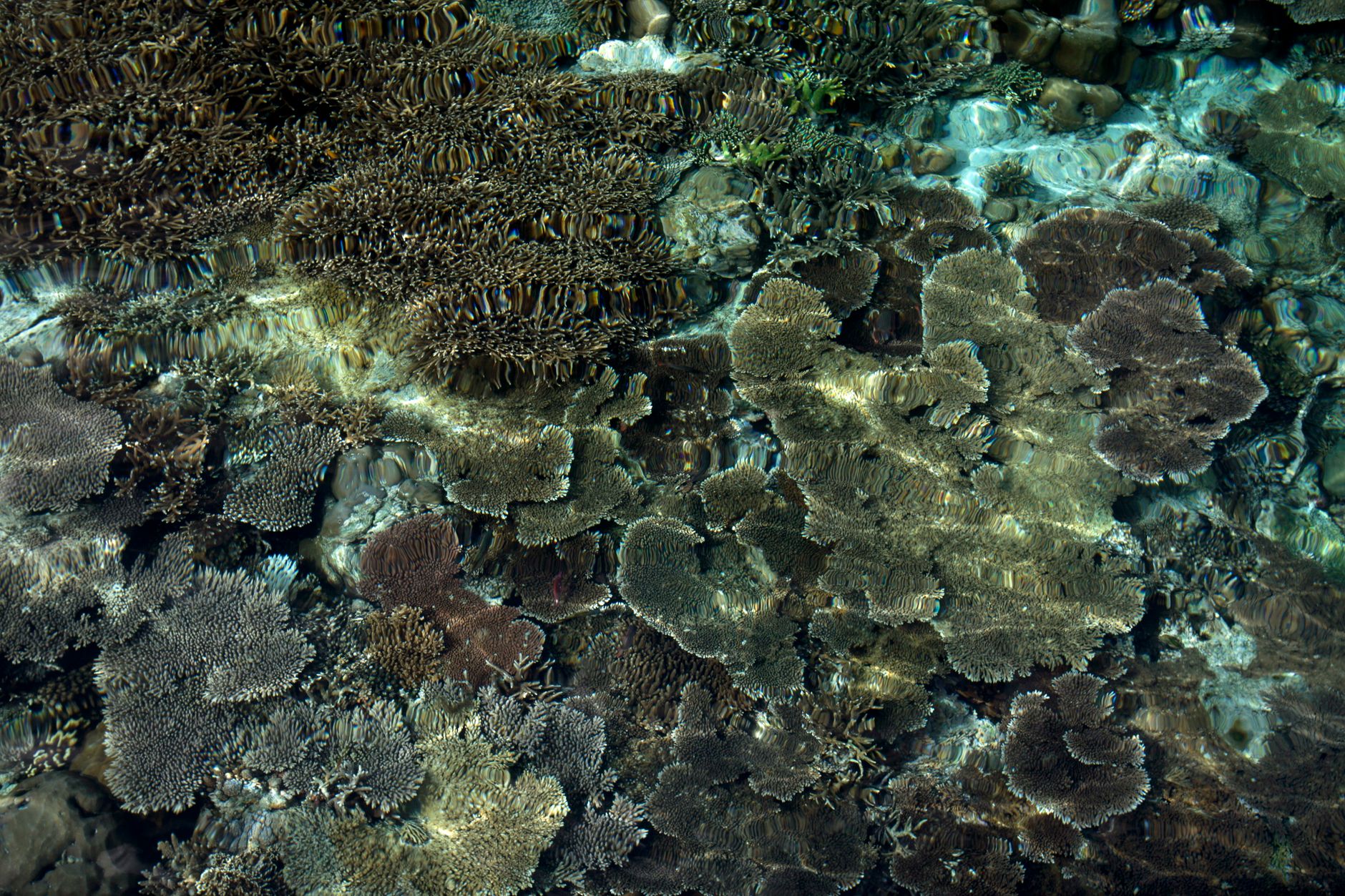
A study examined whether tourism could help slow coral decline in Sanur, a coastal town in Bali overlooking the Lombok Strait. Tourism became established there in the 1920s, and the local economy continues to depend on visitors drawn to its beaches and sheltered waters, according to the report.
A Universe Today report examines how impacts involving icy moons could affect the formation or survival of subsurface oceans. The question is relevant to moons such as Jupiter’s Europa and Ganymede and Saturn’s Enceladus, which are of scientific interest because oceans beneath their icy crusts could potentially support life as we know it.