
Essential Hong Kong Travel Answers
Explore practical Hong Kong travel questions about planning, neighborhoods, transport, food, attractions, and local life. Start with the decisions that shape how you experience the city.
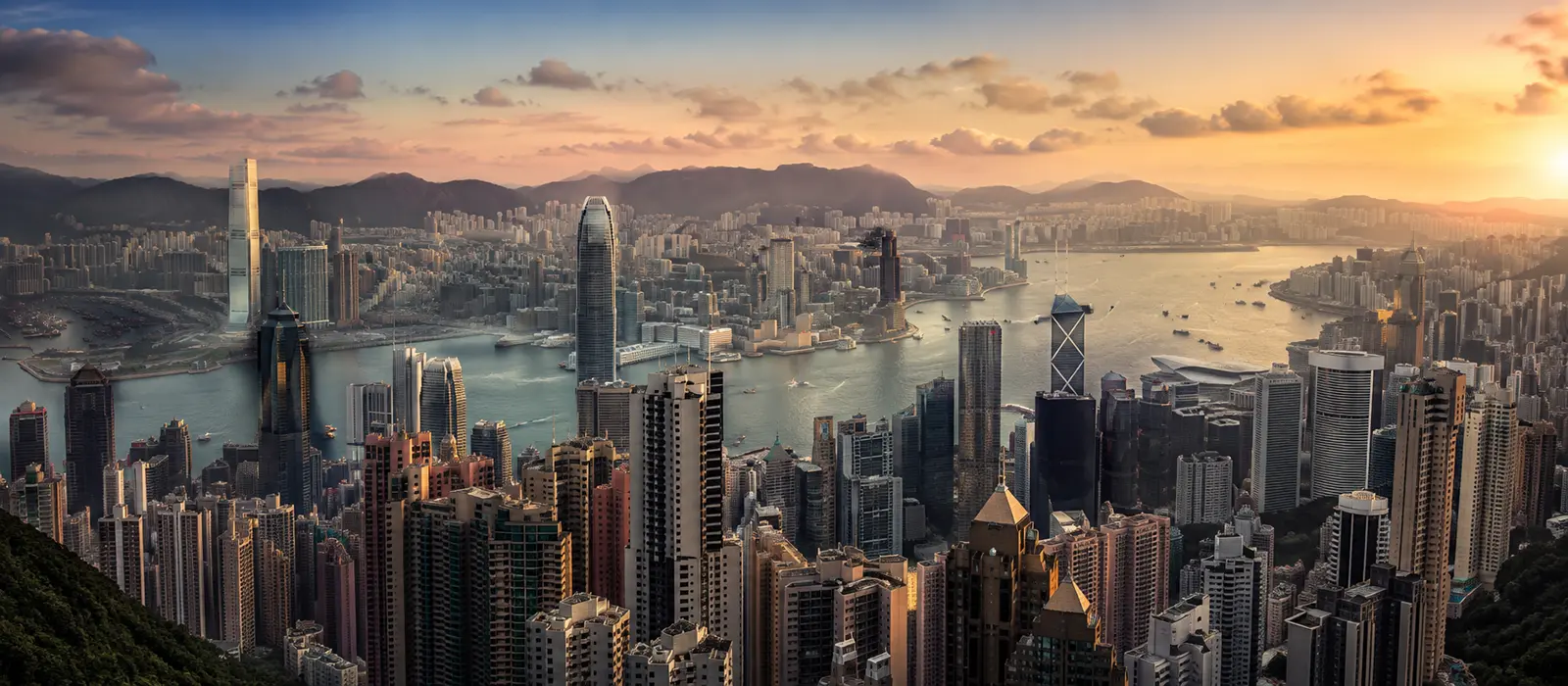
Hong Kong
A vertical city. A horizontal curiosity.
Hong Kong is a city of compressed distances, layered routines, and constant movement. These questions help you look beyond the skyline and understand how the city actually works.
Explore practical Hong Kong travel questions about planning, neighborhoods, transport, food, attractions, and local life. Start with the decisions that shape how you experience the city.
Find clear answers about where to stay in Hong Kong, how many days you need, when to visit, what to book in advance, and how to build a realistic itinerary.
Understand Hong Kong transportation through questions about the MTR, Star Ferry, trams, walking, Octopus cards, and the fastest ways to move between neighborhoods.
Discover Hong Kong food, dim sum, cha chaan teng culture, local neighborhoods, markets, and everyday habits through questions that look beyond the famous skyline.
Spend your first Hong Kong day building a mental framework rather than collecting major attractions. Use the MTR once or twice, cross Victoria Harbour…
Plan around the Symphony of Lights if you already want an evening near Victoria Harbour and enjoy coordinated city spectacles. Do not rebuild your…
Yes. Visit at least one Hong Kong new town if you want to understand the city beyond Central, Mong Kok, Tsim Sha Tsui, and…
Visit Lamma Island for the break from dense urban Hong Kong, but pay attention to movement after the initial relief. Walking, ferries, narrow paths,…
Choose direct Airport Express access if arrival and departure simplicity, heavy luggage, children, business travel, or a short stay make airport friction unusually important.…
Stay near Hong Kong nightlife if late evenings are a major part of your trip and you expect to use the same active areas…
A curated starting point for understanding the city\'s most useful, surprising, and revealing questions.
Stay near Central if your flight is early but still allows a realistic Airport Express or taxi departure without destroying your sleep, especially if…
Direct answers for practical Hong Kong decisions when you need clarity without a long detour.
Choose Tsim Sha Tsui if you want harbour orientation, major visitor infrastructure, strong transport, and easy access to one of Hong Kong's defining skyline…
For most first Hong Kong trips of five days or less, stay in one well-connected hotel. Hong Kong's transport makes changing neighborhoods easier than…
Questions about timing, trip structure, flexibility, and how to shape your days without overplanning Hong Kong.
Choose a mall-connected Hong Kong hotel if weather protection, easy food, shopping, transport integration, or family convenience matter more than immediate street contact. Choose…
Choose a high-rise hotel if skyline views, polished facilities, privacy, and a dramatic sense of Hong Kong's vertical scale matter to you. Choose a…
Pay more for free cancellation when your Hong Kong dates, flights, travel companions, or broader itinerary still contain meaningful uncertainty, especially if the premium…
Choose a newly opened Hong Kong hotel if the price is attractive, you value fresh rooms and design, and you can tolerate some operational…
Pay more for a better location on a short, active Hong Kong trip if it reduces repeated journeys and places you near the areas…
Stay near Hong Kong nightlife if late meals, bars, spontaneous walks, and the freedom to continue an evening without planning transport are central to…
Choose hotel breakfast if you value fast starts, predictable food, family simplicity, or a schedule built around early sightseeing. Eat outside if morning food…
Choose a hotel with a pool if you are visiting during hot or humid weather, traveling with children, planning a slower stay, or genuinely…
Skip the hotel gym if you are taking a short Hong Kong trip, normally walk extensively while traveling, and are comfortable pausing your formal…
Choose a club lounge if you value reliable breakfast, evening drinks, a quiet place to reset, or easy food for a family or demanding…
Choose a bathtub if soaking is already part of how you relax, you are planning slower evenings, or a deliberate recovery ritual genuinely matters…
Stay in the city until the last night if your flight time leaves a reliable departure window and you value one final Hong Kong…
Choose a hotel near Hong Kong International Airport when your layover is long enough to absorb immigration, baggage or transfer procedures, hotel travel, check-in,…
Go straight into the city if your arrival still leaves a comfortable transfer, your hotel accepts late check-in, and you would rather wake in…
Choose the view if you will spend meaningful mornings, breaks, or evenings in the room and want Hong Kong's skyline or harbour to become…
Book a Hong Kong hotel months in advance when your dates are fixed, the trip falls in a busy period, or you care about…
Compare both before booking. A booking platform can be useful for quickly comparing Hong Kong hotels, seeing total prices, and managing several reservations in…
Use star rating to understand the broad service and facility level of a Hong Kong hotel, but read negative reviews before booking to identify…
Book a harbour view room if you will genuinely use the room in the morning, at sunset, or during slower evenings. Spend the money…
Questions about where to stay, hotel trade-offs, location, access, and choosing a base that fits your Hong Kong rhythm.
Walk through residential Hong Kong neighborhoods when the streets are public, your behavior remains unobtrusive, and you are genuinely curious about how ordinary urban…
Usually, yes. On a first Hong Kong visit, staying within an easy walk of a useful MTR station can be more valuable than choosing…
Stay in Central if you want exceptional transport access, vertical urban energy, and a base inside one of Hong Kong's most concentrated business and…
Choose Causeway Bay if you want intense retail energy, dense convenience, late activity, and a neighborhood that delivers a concentrated version of urban Hong…
Questions that help you read Hong Kong through its districts, local contrasts, street patterns, and different urban personalities.
Most first-time visitors should choose a window seat on China's high-speed trains. It provides a better view of the changing landscape between Beijing and…
Use the Star Ferry as transport whenever its route naturally fits your journey. But on a first Hong Kong visit, it is also worth…
Take the Ngong Ping 360 cable car on a first Lantau visit if weather, visibility, and waiting conditions make the ride practical. Its roughly…
Use Hong Kong public transport for most journeys because the MTR, buses, trams, and ferries can connect large parts of the city efficiently. Take…
Ride the Peak Tram on your first Hong Kong visit if the queue is reasonable and you want the ascent itself to become part…
Cross Victoria Harbour above ground when you have the time and attention to notice the water, skyline, changing scale, and relationship between Hong Kong…
Use Hong Kong minibuses on your first visit when the route is clearly useful, you can identify the boarding point and destination, and you…
Yes, use Hong Kong buses when they offer a direct surface route, reduce a difficult walk, reach areas less naturally served by rail, or…
Use the Mid-Levels Escalator when you need to move uphill efficiently, your legs are tired, or the route already fits where you are going.…
Because a Hong Kong MTR station can connect to different streets, levels, buildings, pedestrian systems, and walking directions through separate exits. Two exits from…
Because map distance measures horizontal separation while your body experiences exits, underground corridors, slopes, footbridges, crossings, crowds, heat, rain, and repeated changes of walking…
Use the MTR for long cross-city journeys, bad weather, time-sensitive plans, and routes where the distance between districts adds little to your trip. Do…
Use Hong Kong's trams as real transport when the route naturally fits your journey and you are not under time pressure. But on a…
Yes, take the Star Ferry at least once even when the MTR is faster. Use the MTR when you are late, tired, carrying awkward…
Questions about the MTR, ferries, trams, walking, escalators, and how the city\'s transport network shapes daily life.
Book Hong Kong experiences in advance when admission capacity, dated tickets, special access, or a major personal priority could make failure expensive. Theme-park days…
Visit Kennedy Town for sunset, but watch what sunset is doing to the neighborhood around it. A view can create a new reason to…
Treat Sheung Wan as a transition rather than simply an extension of Central. The two areas connect closely, but the change becomes more interesting…
Visit Sham Shui Po to understand how an ordinary Hong Kong neighborhood keeps working, not to hunt for a preserved version of “Old Hong…
Use Hong Kong's elevated footbridges when they create a direct route, protect you from difficult weather, or connect buildings and transport more efficiently than…
Visit Tai O as a day trip if your Hong Kong schedule is short and you mainly want to understand its stilt-house setting, waterways,…
Visit Hong Kong's outlying islands for the scenery, but do not stop there. Ferries, quieter roads, smaller settlements, walking routes, and visible water make…
Visit Cheung Chau for the food and beaches, but watch how movement works between them. The island becomes more interesting when you notice narrow…
Choose Hong Kong Island if you want your first visit anchored around Central, vertical urban movement, business districts, and easy access to the island's…
Stay near Victoria Harbour if you want strong visual orientation, classic Hong Kong views, convenient access to waterfront experiences, and a first trip anchored…
Questions about Hong Kong\'s major sights, viewpoints, landmarks, and the details that make them more than checklist stops.
Save money on your Hong Kong hotel when the cheaper option still gives you reliable transport access and fits the geography of your plans.…
Hong Kong can feel expensive because some major traveler costs, especially accommodation and premium experiences, are highly visible and psychologically loud. Yet the city…
China offers extensive transportation networks, major cultural diversity, advanced digital systems, and significant regional differences for travelers.
Questions about daily costs, spending priorities, hidden trade-offs, and making smarter budget decisions in the city.
Search for Hong Kong's best food when a particular restaurant, chef, dish, or culinary tradition genuinely interests you. But also notice the meals the…
Treat a long Hong Kong food queue as evidence of concentrated demand, not automatic proof of exceptional food. Then look for repeat behavior. A…
Eat dim sum at a famous Hong Kong restaurant if its history, style, room, or particular dishes genuinely interest you. But also try somewhere…
Visit Mong Kok for the markets, but watch how attention behaves while you move between them. Signs compete with queues, shopfronts compete with phones,…
Do not choose your Hong Kong hotel only to sit near famous restaurants unless food is the central purpose of the trip. A well-connected…
Questions about dim sum, cha chaan tengs, street habits, local dining rhythms, and how food reveals everyday Hong Kong.
Yes. Change your Hong Kong plans when heavy-rain or tropical-cyclone warnings materially change safety, transport, visibility, or the practicality of outdoor movement. Do not…
Hong Kong is generally considered safe for walking in busy visitor areas at night, and Hong Kong Police describe muggings as very uncommon. But…
Practical questions about personal awareness, crowded spaces, weather, movement, and navigating Hong Kong with informed confidence.
The biggest mistake is trying to convert Hong Kong's density and efficient transport into permission to see everything. Because many famous places look close…
Common planning errors, false assumptions, and small misunderstandings that can quietly distort a Hong Kong trip.
Group most Hong Kong days around geography and urban rhythm, then place major attractions inside those broader areas. An attraction-first itinerary often sends you…
For many first-time visitors, three days are enough to encounter major Hong Kong sights, while five to seven days give the city a better…
Visit Victoria Peak before sunset on your first Hong Kong trip if possible, then remain until after dark. Daylight makes Victoria Harbour, Kowloon, Hong…
Visit Sai Ying Pun for its cafés, but use them to notice what the hills are doing to movement. A place can be geographically…
Stay near Lan Kwai Fong if bar-focused nightlife, social energy, and the ability to continue an evening on foot are major priorities. Choose Wan…
Questions about building realistic days, combining areas, pacing the city, and leaving enough room for unexpected discoveries.
Before leaving Hong Kong, ask: “What do I understand now that helps explain something else in the city?” If the harbour explains a transport…
Combine the Big Buddha and Tai O on the same day if your Hong Kong time is limited and you accept that the day…
China offers extensive transportation networks, major cultural diversity, advanced digital systems, and significant regional differences for travelers.
Use Hong Kong's escalators as transport when the route fits your journey, the slope is tiring, or you need to conserve energy. But walk…
Take a Hong Kong ferry for the view, but pay attention to the route beneath the scenery. Water can place two destinations directly opposite…
Hong Kong makes more sense when you see it as a network of distinct urban worlds rather than one continuous city. Hong Kong Island,…
More Hong Kong questions about local life, behavior, culture, ordinary details, and the parts of the city that resist easy categories.
Hong Kong often makes more sense when you stop reading it as a flat map. Streets, footbridges, escalators, towers, malls, and MTR stations create overlapping layers of movement. The city is not only around you. It is above and below you too.