
Study Says the Sun Could Produce a Superflare
A paper by Natalie Krivova of the Max Planck Institute for Solar System Research and her co-authors challenges the assumption that the Sun cannot produce superflares, powerful outbursts observed on some Sun-like stars. Published in Philosophical Transactions A, the study says such an event could eventually affect technological society, though the supplied report gives no estimate of when one might occur.
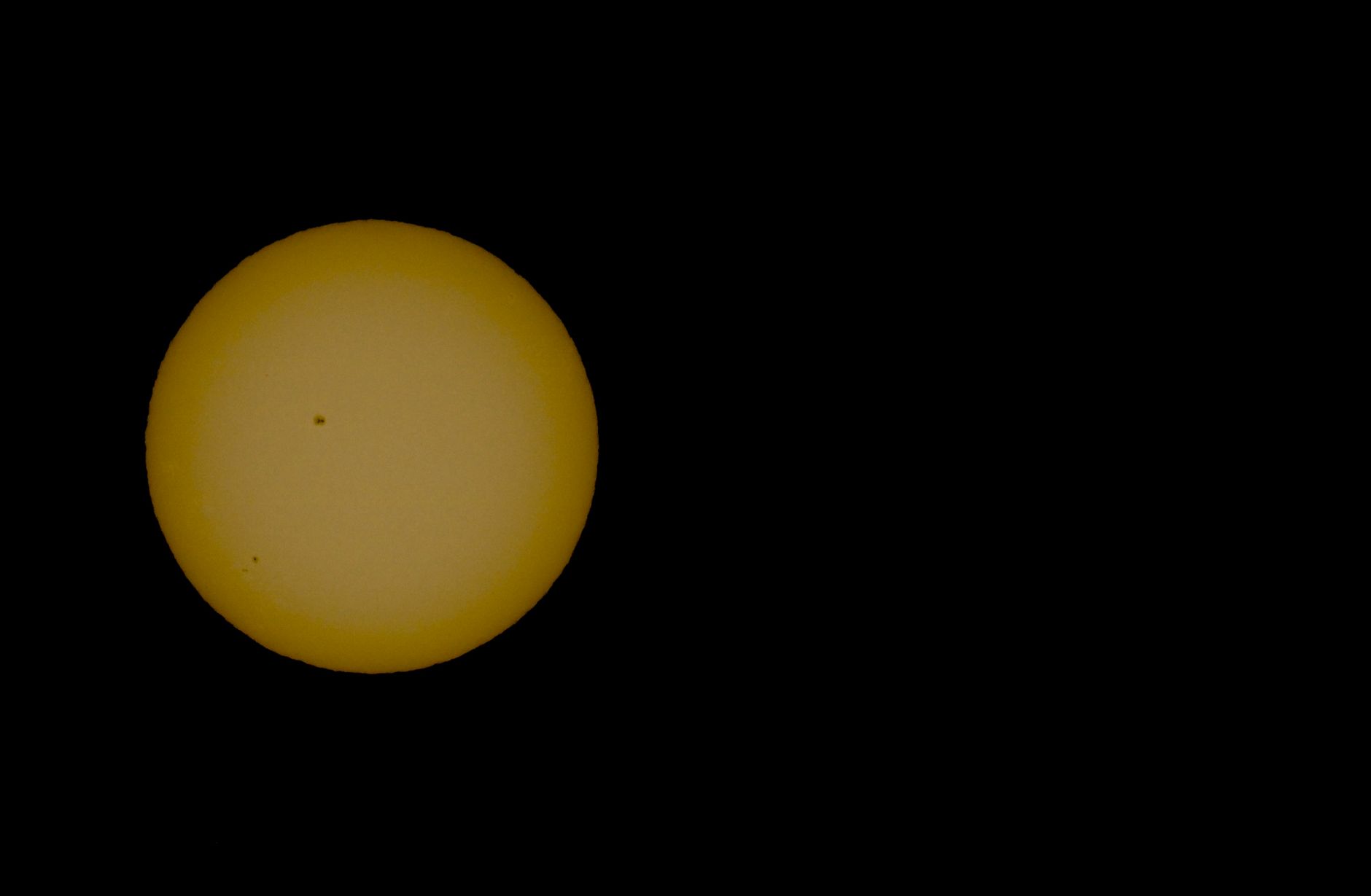
The Sun frequently produces flares that release large amounts of energy, sometimes toward Earth. Compared with other Sun-like stars, however, it has generally appeared relatively quiet and not capable of producing the superflares observed on some stellar counterparts.
A new paper by Natalie Krivova of the Max Planck Institute for Solar System Research and her co-authors challenges that assumption. The paper, published in Philosophical Transactions A, says the Sun is physically capable of producing such a dramatic outburst.
The report says the possibility could matter for a highly technological society. It also notes that some scientists have argued the Sun’s apparent lack of superflares helped enable the development of complex life on Earth.
THE QUESTIONS THIS EVENT LEAVES BEHIND
What evidence does the paper present for the Sun’s capacity to produce a superflare?
How large would a superflare need to be to affect technological society?
What timescale, if any, does the study assign to this possibility?
Which assumptions about Sun-like stars does the study challenge?
How would societies decide whether to invest in preparation for an event whose timing is unknown?
YOUR QUESTION
Does this story leave you with another question?
Send us the question the report did not answer. It may become the next question IAQ investigates.
GLOBAL CURIOSITY MAP · AUGUST 2026