
How Does the Spice Bazaar Reward Curious Visitors?
A market becomes richer when every aroma is allowed to become a question.
The Spice Bazaar rewards curious visitors by converting sensory abundance into usable knowledge. A person who only photographs the colors may leave with a beautiful image. A person who asks what an ingredient is, how it is used, where it comes from, how freshness is judged, and why similar products differ can leave with a clearer understanding of Istanbul's food culture and commercial life.
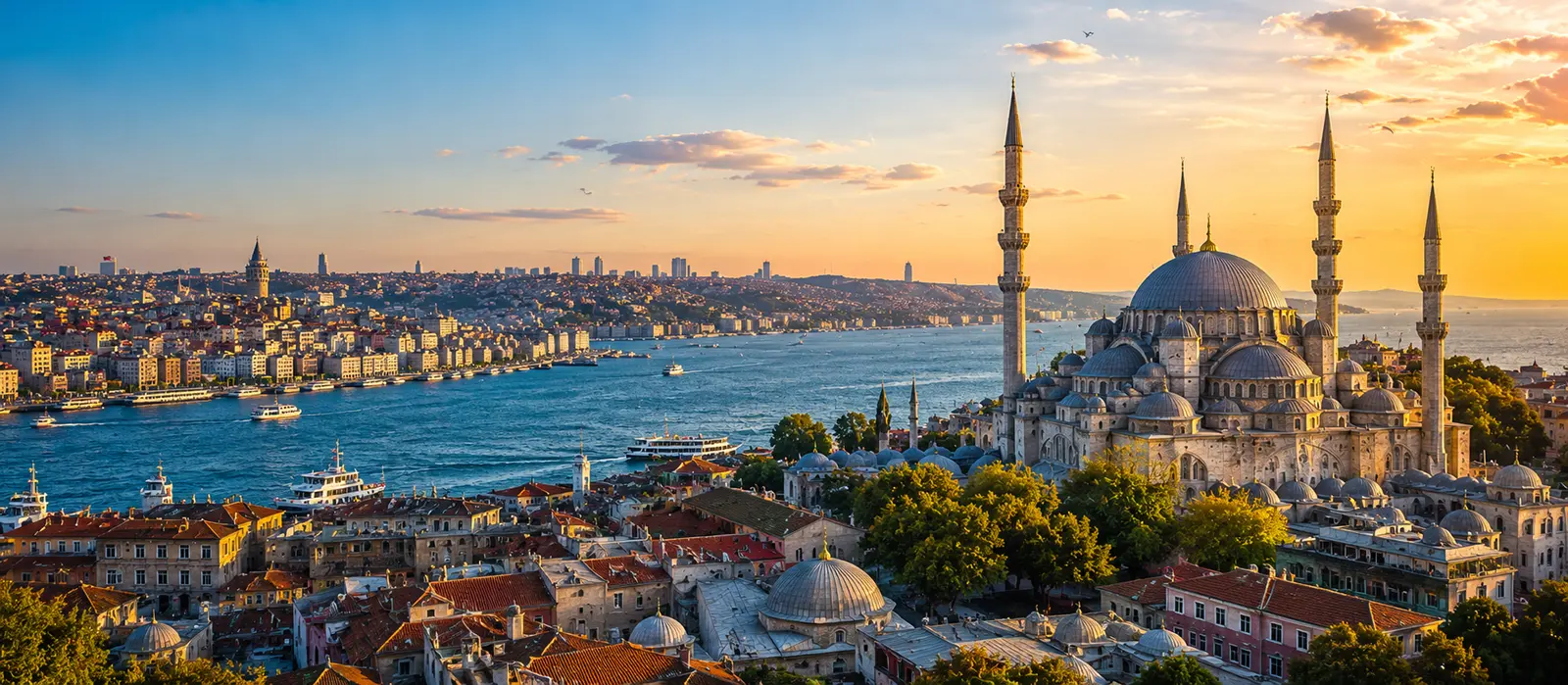
The reward also extends beyond the covered market. Mısır Çarşısı sits inside Eminönü, where the New Mosque, ferry piers, food sellers, coffee shops, hans, narrow trading streets, and routes toward the Grand Bazaar overlap. Curiosity reveals that the Spice Bazaar is not an isolated attraction; it is the decorated doorway to a much larger urban economy.
Why Does Asking One Good Question Change the Visit?
Spice displays are designed for immediate impact. Cones of powders, dried leaves, teas, nuts, sweets, fruits, oils, soaps, and packaged mixtures compete through color, aroma, texture, and arrangement. The eye receives a great deal of information but does not automatically know what any of it means.
A precise question creates structure. “How is this used?” separates a cooking spice from a decorative mixture. “Is this a blend?” reveals whether several ingredients have been combined. “Where was it grown?” introduces geography. “When was it packed?” moves attention toward freshness. “Can I see the ingredient list?” protects visitors with allergies or dietary restrictions.
This creates a sensory inquiry loop. Curiosity is rewarded because the answer changes the next thing the visitor notices. After learning how good sumac should smell and feel, the visitor can compare another shop more intelligently. After tasting two kinds of lokum, sweetness, texture, filling, and freshness become separable qualities.
The market has not provided a formal lesson. The visitor has built one through sequence.
What Can Different Products Teach?
Not every category rewards the same type of attention. A spice may reveal itself through aroma and color but still require questions about storage and grinding. Dried fruit can be compared through texture, moisture, size, and added ingredients. Tea blends may smell dramatic while providing little information about origin or composition unless the buyer asks.
| Product category | Useful question | What curiosity may reveal |
|---|---|---|
| Single spices | Where is it from, and when was it ground? | Origin, freshness, strength, and intended use |
| Spice blends | What exactly is in the mixture? | Whether the blend fits a dish, diet, or allergy requirement |
| Tea and herbal infusions | Is this tea, an herbal infusion, or a flavored blend? | Ingredients, preparation method, and realistic expectations |
| Turkish delight | When was it made, and what is the filling? | Freshness, texture, nut content, and sweetness |
| Dried fruit and nuts | Are there added sugar, oil, salt, or preservatives? | Processing differences hidden by visual similarity |
| Saffron-like products | What species and origin are being sold? | Why visually similar products can have very different value and use |
A confident seller should be able to answer concrete questions without turning every explanation into a miracle claim. The visitor does not need to interrogate anyone. Two relevant questions are often enough to distinguish information from performance.
Smart Tip
Choose one ingredient you already use at home and compare it in three shops. Ask the same questions about origin, freshness, preparation, and price. This gives your senses a reference point and makes unfamiliar products easier to evaluate without turning the entire bazaar into one long purchasing decision.
Why Is Smell More Useful Than Color?
Color attracts attention because it can be organized into dramatic displays. Yet bright appearance is not a complete measure of quality. Natural variation, grinding method, age, lighting, moisture, additives, and storage all affect what the visitor sees.
Aroma can reveal whether a spice still has intensity, but smelling also requires comparison. The first open container may seem powerful simply because the visitor has no baseline. Smelling a similar product elsewhere makes differences more meaningful. Texture and taste add other forms of evidence when sampling is appropriate and hygienic.
Curiosity becomes practical when senses are used together rather than trusted as isolated proof. A beautiful tea blend may contain ingredients the buyer does not want. A modest-looking dried fruit may have excellent flavor. A highly aromatic mixture may be designed for fragrance rather than a traditional recipe.
The bazaar rewards the visitor who asks the senses to investigate, not merely to admire.
How Can Tasting Become More Than Free Sampling?
A sample is most informative when the visitor knows what is being compared. Tasting one sweet proves that it is pleasant. Tasting two versions while asking about production date, filling, nut type, and storage reveals why texture and price differ.
Samples also belong to a commercial conversation. Accepting one does not legally or socially require a purchase, but repeated tasting without genuine interest treats a shop's hospitality as a buffet. Clear behavior works well: taste when considering the product, ask the price before choosing a large quantity, and decline politely when the item is not right.
Visitors with allergies, diabetes, religious dietary requirements, or other health needs should not rely on appearance or a vague reassurance. Ingredient lists, possible cross-contact, sweeteners, nuts, dairy, gluten, and preparation conditions may matter. When the answer is uncertain, not tasting is a valid form of curiosity because it recognizes the limit of available information.
Why Should Medical Claims Be Treated Differently?
Herbs, teas, oils, pastes, and spices may be described through traditional uses, family practices, or ambitious health promises. These are not equivalent forms of evidence. A product can have culinary or cultural value without being a proven treatment.
Curious visitors can ask how something is traditionally prepared and still avoid treating market advice as medical diagnosis. Claims involving disease, medication interactions, pregnancy, dosage, or replacement of professional care require qualified medical guidance. “Natural” does not mean risk-free, and an attractive package does not establish purity or effectiveness.
- Ask for ingredients rather than accepting a product name as a complete description.
- Separate tradition from treatment when listening to health-related explanations.
- Check medication interactions with a qualified professional when relevant.
- Avoid unlabeled mixtures when safety depends on exact composition.
- Buy food as food unless reliable evidence supports another use.
Curiosity is strongest when it includes the freedom to remain unconvinced.
How Does the Bazaar's History Change What You See?
The Spice Bazaar was built in the seventeenth century as part of the New Mosque complex. Its commercial income belonged to an urban system in which market activity could support a religious and charitable foundation. The building was therefore economic infrastructure as well as an architectural companion to the mosque.
Its Turkish name, Mısır Çarşısı, is commonly translated as Egyptian Bazaar. Historical accounts connect that identity with Egyptian revenues and with trade routes through which spices and other valuable goods reached Istanbul. The name makes the market a reminder that aroma was once evidence of long-distance logistics.
Modern shelves contain a broader mixture: spices, teas, dried food, sweets, nuts, souvenirs, cosmetics, soaps, and products shaped for international visitors. This does not make the bazaar historically false. It shows a commercial institution continuing to adjust to demand. The useful question is not whether every stall looks exactly Ottoman; it is how an old trade location keeps converting new forms of attention into business.
| Visitor approach | What becomes visible | What may remain hidden |
|---|---|---|
| Photography only | Color, display, architecture, and crowd | Use, origin, freshness, and trade relationships |
| Souvenir hunting | Packaging, portability, and gift value | Everyday local purchasing patterns |
| Ingredient comparison | Variation in quality, explanation, and price | The surrounding district beyond the covered hall |
| Historical observation | Relationship with the New Mosque and old trade routes | How present-day products are actually used |
| Curious exploration | Connections among sensory, economic, historical, and social layers | Only what time and attention do not permit |
Why Does the Real Market Continue Outside?
The covered L-shaped bazaar is compact compared with the Grand Bazaar, making it easier to understand quickly. That compactness can mislead visitors into thinking the experience ends at the gate. It does not.
Nearby streets extend the trade in coffee, cheese, olives, dried goods, kitchen supplies, packaging, household products, flowers, fish, sweets, and other foods. Some shops serve local repeat customers more visibly than the most polished interior stalls. The transition from covered monument to working commercial district is one of the richest parts of the visit.
The surroundings also connect trade with urban movement. Eminönü's ferry piers, tram, buses, pedestrian flows, New Mosque square, Rüstem Pasha Mosque, Golden Horn, and routes uphill toward the Grand Bazaar bring different users through the same area. A spice purchase occurs inside a much larger circulation system.
Curiosity rewards the visitor who asks, “Where does this street lead?” after asking, “What is this spice?” The first question opens the product; the second opens the city.
How Can You Buy Without Letting Curiosity Become Excess?
Discovery easily increases quantity. A visitor tastes several sweets, learns about five teas, smells unfamiliar spices, and begins imagining a future kitchen transformed by all of them. Luggage, shelf life, customs rules, and actual cooking habits arrive later.
Small quantities protect curiosity from becoming waste. Buy an amount connected to a real dish or person. Confirm whether the product needs refrigeration, how long it keeps, and how it should be packed. Travelers crossing borders should check destination-country restrictions on food, seeds, plants, animal products, and unlabeled mixtures before purchase.
Price should be clarified before filling a bag. Ask whether the displayed figure is per unit, per weight, or per package. Confirm the total before payment and keep receipts for valuable or regulated goods. Bargaining customs differ across products and shops; a respectful question about the best price is more useful than assuming every transaction requires performance.
When Does Curiosity Produce the Greatest Reward?
The strongest visit combines three scales. At product scale, inspect one ingredient carefully. At human scale, have one informative conversation without feeling forced to buy. At district scale, continue beyond a gate and watch how the bazaar connects with Eminönü.
This approach prevents the market from collapsing into two weak interpretations: tourist spectacle or pure shopping stop. The Spice Bazaar is both commercial and historical, local and international, practical and theatrical. Curiosity does not need to resolve those tensions. It makes them visible.
The reward may be a spice, a recipe idea, a better question about quality, a quieter side street, or recognition that Istanbul's monuments once belonged to financial systems as well as skylines. The bazaar gives its best answer when the visitor discovers that every product has a route—and then begins following the route.
Did You Know?
The Spice Bazaar was built in 1660 as part of the New Mosque complex. Its commercial role helped support the surrounding foundation, showing how trade, architecture, worship, and urban services could be financially connected.
Jean Mustafa Kowalski Nakamurason Hernández Obromoviç
Always Local
“I asked what one red powder was for. The seller explained three dishes, my companion bought tea, I discovered a cheese street outside, and lunch changed continents. Curiosity is dangerous in Eminönü because every answer appears to have its own shop.”
Who is this guy?