
Livestock grazing may boost soil carbon storage in Iceland’s subarctic grasslands
A new study in Global Change Biology Communications reports that livestock grazing may increase soil carbon storage in Iceland’s subarctic grasslands. The finding challenges the conventional assumption that removing grazers necessarily benefits carbon storage, which matters because grassland plants transfer substantial amounts of carbon into soil through their roots.
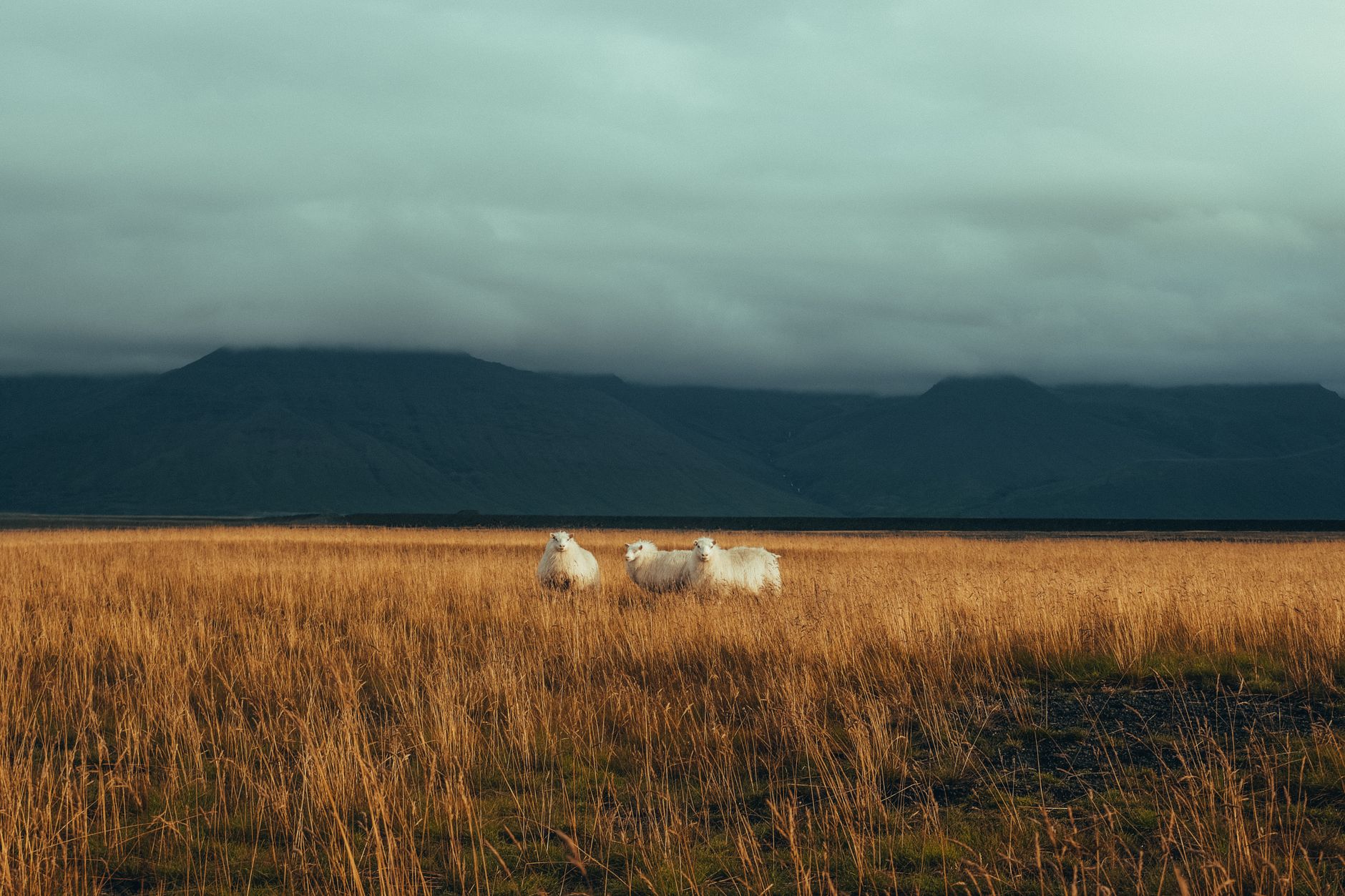
Grassland plants transfer large amounts of carbon to soil through their roots, with most of that carbon stored underground.
Because soil carbon storage can help combat climate change, researchers have examined how grazing affects this process. Conventional wisdom often assumes that removing grazers benefits carbon storage.
However, a new study in Global Change Biology Communications reports that livestock grazing may have the opposite effect in Iceland’s subarctic grasslands.
THE QUESTIONS THIS EVENT LEAVES BEHIND
What conditions determine whether grazing increases or decreases soil carbon storage?
How might the study’s findings affect decisions about livestock management in subarctic grasslands?
What evidence would be needed to establish whether the reported effect applies beyond Iceland?
Could changes in grazing intensity produce different carbon-storage outcomes?
How long would any increase in stored soil carbon persist?
YOUR QUESTION
Does this story leave you with another question?
Send us the question the report did not answer. It may become the next question IAQ investigates.
GLOBAL CURIOSITY MAP · AUGUST 2026