
Should You Travel To Paris To See It Or To Let It Change The Way You See Cities?
The greatest journeys do not only reveal places—they quietly redefine the traveler.
Travel to Paris to see it—but do not stop there. The monuments, museums, cafés, and famous streets are only the beginning. The deeper value of Paris is that it can quietly change how you understand every city you visit afterward. Once that happens, the trip continues long after you have gone home.
Most people think they are collecting destinations. In reality, the most meaningful journeys collect new ways of seeing. Paris has influenced generations of artists, architects, writers, and travelers not simply because of what it contains, but because of how it teaches people to notice.
The First Trip Is About Seeing
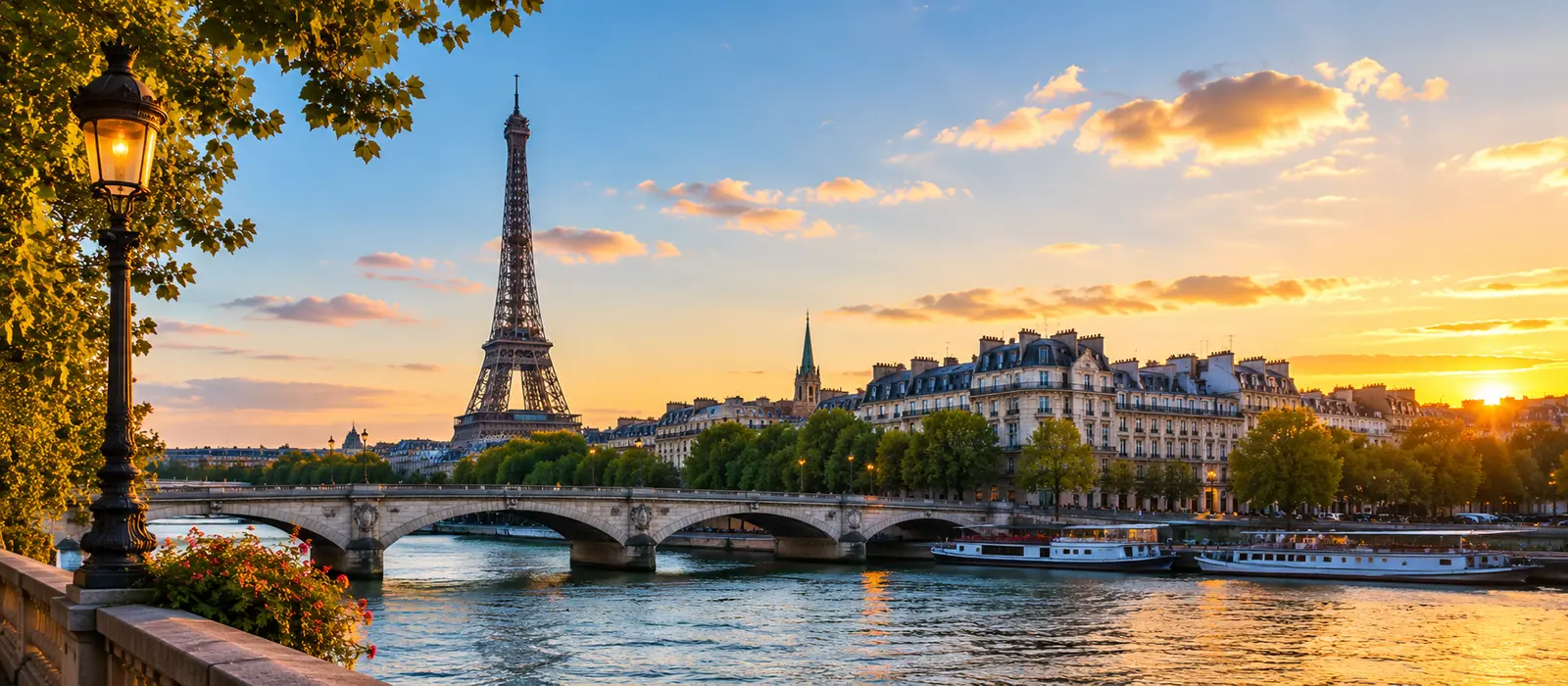
Every first visit begins with visible things. You stand beneath the Eiffel Tower, walk through the Louvre, admire Notre-Dame, cross bridges over the Seine, and climb the streets of Montmartre. These experiences matter because they create a shared language with millions of other visitors who have stood in the same places.
There is nothing superficial about wanting to see famous landmarks. Great cities become famous for good reasons. Their monuments tell stories that deserve to be experienced directly rather than only through photographs.
Yet after several days, many travelers notice something unexpected. Their attention begins drifting away from the landmarks themselves toward the spaces between them.
The Second Trip Begins Before You Leave
Somewhere during the journey, Paris starts asking different questions. Instead of wondering which monument comes next, you begin noticing how cafés spill onto sidewalks, why streets suddenly become intimate after turning a corner, how public squares invite people to stay instead of simply pass through, and why walking feels more rewarding than rushing.
These observations extend beyond Paris. Returning home, you may notice how another city organizes its public spaces, how neighborhoods connect, or why one place encourages conversation while another seems designed only for movement.
Without realizing it, Paris has become less of a destination and more of a reference point.
What The City Quietly Teaches
Paris rarely changes people through dramatic revelations. Instead, it changes small habits of observation. You begin looking upward at architecture instead of only forward. You pay attention to how parks are used rather than simply how they look. You notice how cafés shape neighborhoods, how rivers organize cities, and how walking creates understanding that vehicles often erase.
These lessons cannot be packed into a suitcase, yet they travel home with you. The next city you visit is no longer compared only by its attractions. It is understood through patterns you first learned to recognize in Paris.
That is why experienced travelers often revisit cities differently from first-time visitors. Their eyes have changed even when the streets have not.
The Souvenir You Cannot Buy
One way to understand this transformation is through Transferable Observation. Some journeys remain memories. Others become new lenses through which future experiences are understood.
Paris has repeatedly played that role throughout history. Writers returned home seeing literature differently. Architects noticed proportions they had previously ignored. Painters discovered new relationships between light and everyday life. Ordinary travelers often experience the same transformation on a quieter scale.
The city does not ask you to become someone else. It simply gives you new ways to notice what was always there.
TravelIAQ Insight
The most valuable souvenir from Paris may be invisible. It is the moment you arrive in another city months later and unexpectedly realize you are observing it differently because of what Paris quietly taught you.
Seeing Paris Or Letting Paris Change You?
| Approach | Primary Goal | What You Gain | What You May Miss |
|---|---|---|---|
| See Paris | Visit famous landmarks and attractions | Iconic memories and shared experiences | Deeper changes in perception may remain unnoticed |
| Let Paris change how you see cities | Observe how urban life works | A lasting way of understanding future destinations | Requires slowing down and accepting fewer attractions |
| Combine both | Most thoughtful travelers | Memorable sightseeing with lasting personal growth | Requires curiosity beyond the itinerary |
When Simply Seeing Paris Is Enough
Sometimes the purpose of a journey is simply joy. There is nothing wrong with standing beneath famous landmarks, taking photographs, and experiencing places you have imagined for years. Those moments deserve their place in every first visit.
Not every trip needs to become a philosophical exercise. Curiosity begins with looking, and Paris offers more than enough to reward that first glance.
When Paris Begins Changing You
The transformation usually happens quietly. You start lingering instead of rushing. You compare neighborhoods instead of monuments. You notice how people occupy public space rather than simply photographing it. Gradually, every future destination becomes a conversation rather than a checklist.
At that point, Paris is no longer merely a city you visited. It has become part of the way you travel.
The Common Mistake
The most common mistake is believing that travel ends when the plane takes off for home. In reality, the deepest journeys continue whenever future experiences are interpreted through what earlier places have taught us.
Another mistake is measuring a city only by how many attractions it contains. Truly influential cities change perception, not just itineraries.
Final Recommendation
Visit Paris to see its monuments, museums, neighborhoods, and streets—but leave enough room for the city to quietly reshape your perspective. The landmarks will become photographs. The way you learn to observe cities may stay with you for the rest of your life.
The greatest cities are not remembered simply because they are beautiful. They are remembered because, after leaving them, the world itself no longer looks quite the same. Paris has been doing exactly that to travelers for centuries, and perhaps that is its greatest masterpiece.
Did you know this about Paris?
Paris has inspired generations of writers, painters, architects, philosophers, and urban planners from around the world. Many arrived hoping to understand the city itself, only to leave with entirely new ways of understanding cities everywhere.